Custom Software Development Cost in India: What Actually Drives the Price (2026)
Custom software isn't priced by the feature list. It's priced by the workflows it replaces, the people who use it, and what it connects to. Here's what drives the cost in India, and how to get a quote you can trust.
Businesscustom-software-costcustom-software-developmentsoftware-development-indiasmall-business-softwarestartup-budgeting6 min read·
Short answer: the cost of custom software in India depends far more on the workflows it replaces than on a list of features. A focused tool for one team and one process is a small project. A system that connects sales, stock, billing, and field staff across branches is a large one. The biggest drivers are the number of user roles, the business rules, the integrations, the platforms, and how much old data has to move. This guide explains each one, so you can scope your project before you ask for a quote. If you already have a process in mind, our custom software development team can scope it with you.
Why custom software is priced by workflow, not by feature
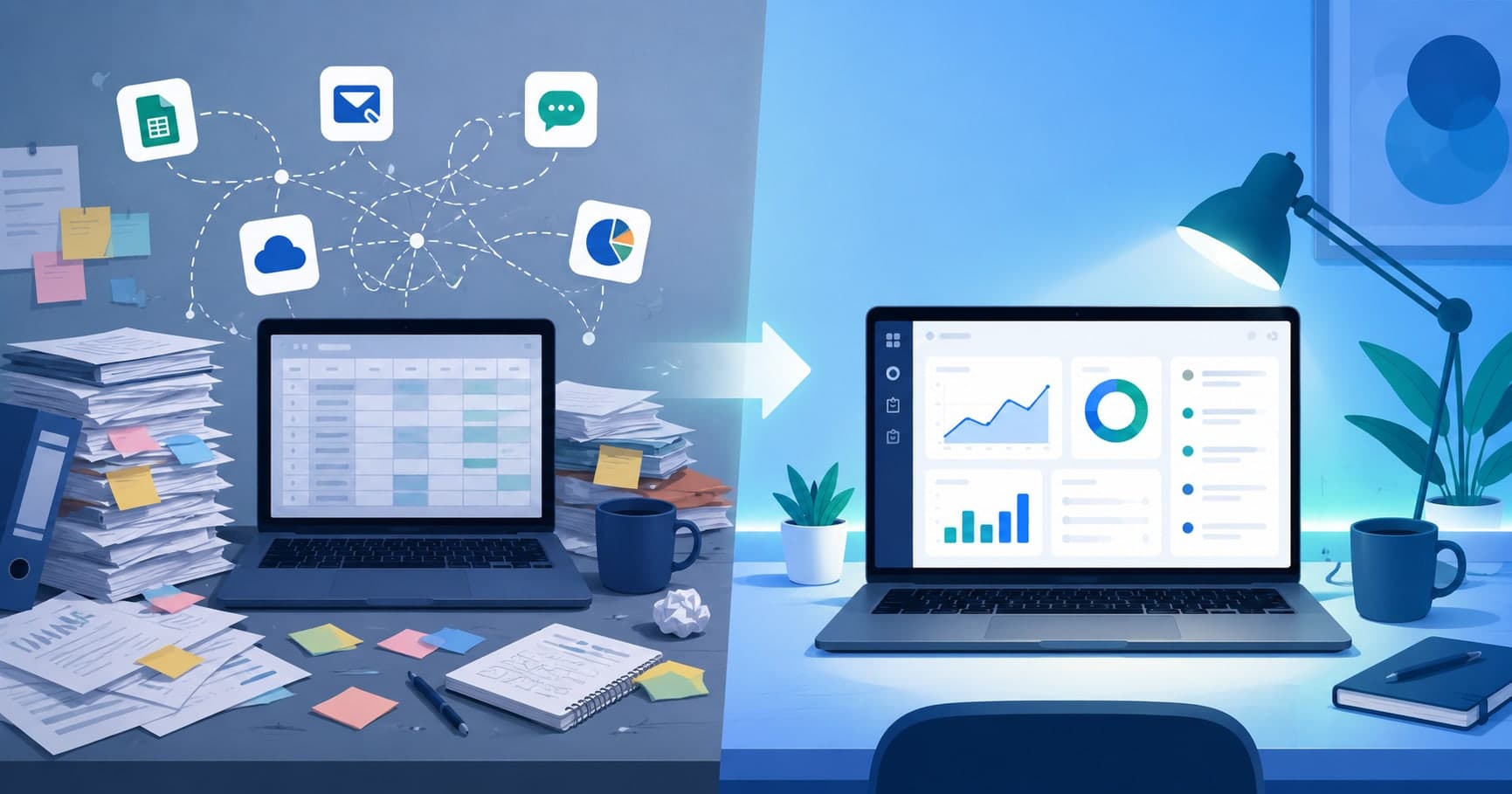
"Add an approval button" sounds like one feature. In practice it means a new status, rules for who can approve what, notifications, an audit trail, and a change to every report that counts approved items. That's why two systems with the same feature list can differ several times over in effort. The useful unit for estimating is the workflow: a customer places an order, a manager approves it, the warehouse dispatches it, accounts invoices it. Count the workflows, the people involved in each, and the rules at every step, and you have a far better picture of size than any feature list gives you.
We explain why small additions cost more than they look in the real cost of "just one more feature".
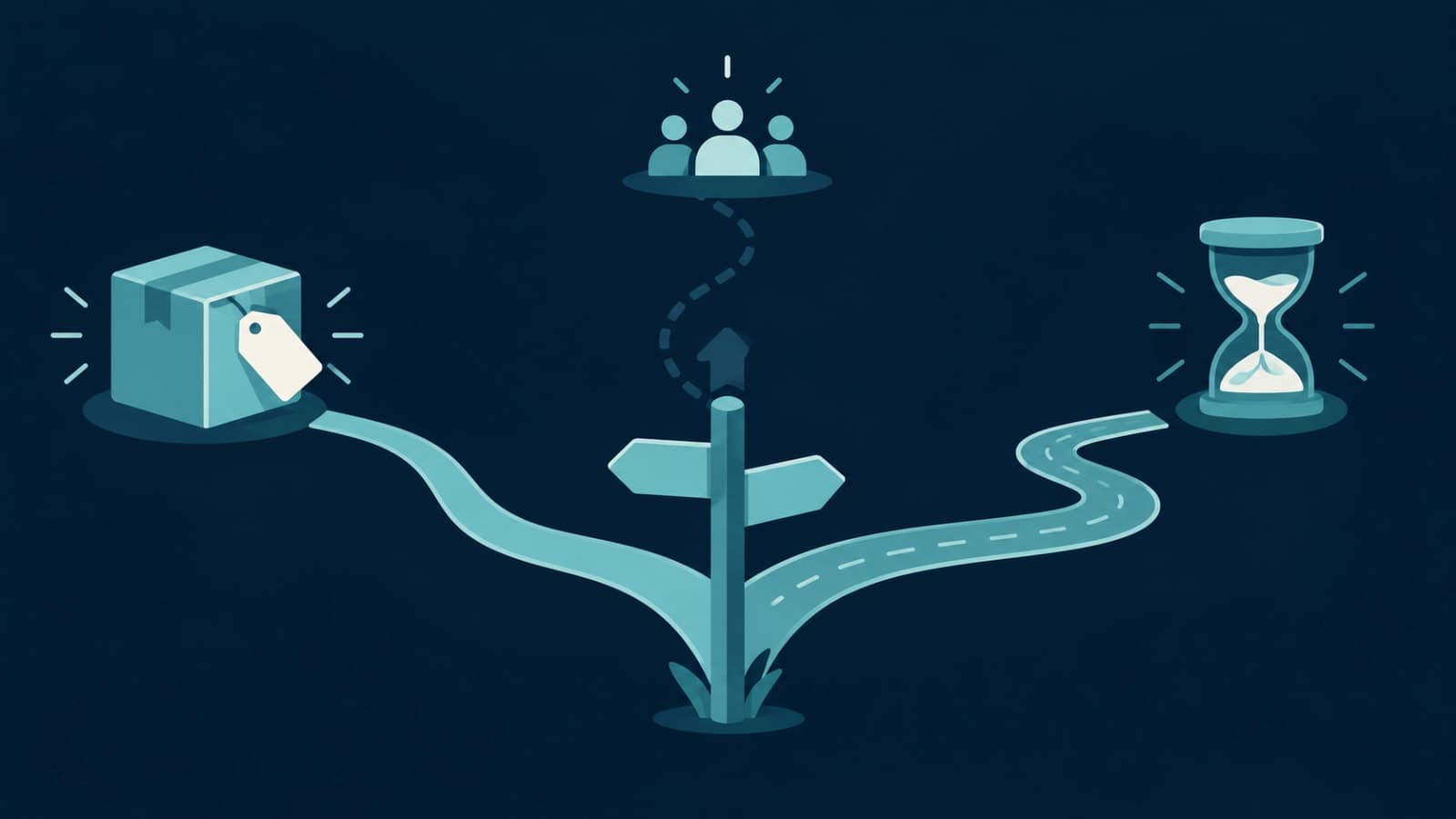
What drives the cost up or down
Cost drivers for custom business software
Factor
Lower effort
Higher effort
Impact
Workflows
One process, one team
Several connected processes across departments
High
Users and roles
One or two roles
Many roles with different permissions and approvals
Payments, Tally or accounting, WhatsApp or SMS, hardware
Medium–High
Platforms
Web app only
Web app plus Android and iOS apps for field staff
Medium
Data migration
Starting fresh
Years of Excel or old-software records to clean and import
Medium
Reporting
A few fixed reports
Dashboards, exports, and owner-level views across branches
Medium
Offline use
Always online
Must work without signal and sync later
Medium
Typical project sizes
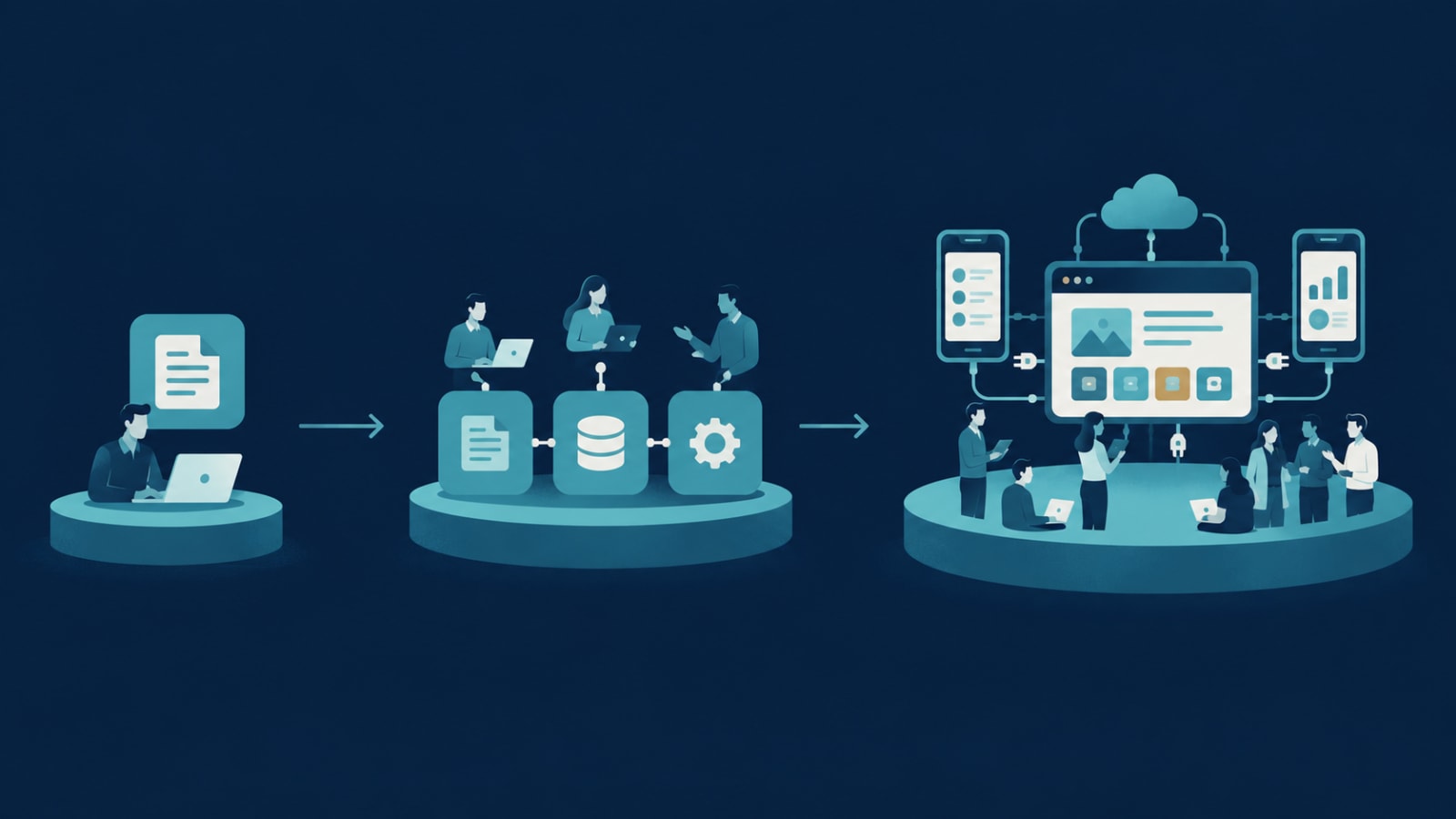
Rather than price bands, it's more useful to know which size of project you're describing. Most custom software falls into one of three shapes:
Typical custom software project sizes
Size
What it usually looks like
Typical timeline
Typical team
Focused tool
One workflow for one team — e.g. an order tracker or an approval system replacing a WhatsApp group
4–8 weeks
1–2 developers plus design
Business system
Several connected workflows — e.g. inventory, billing, and ledgers with roles and reports
8–16 weeks
2–3 developers, design, QA
Platform
Web portal plus mobile apps for staff or customers, integrations, multiple branches
16 weeks+
3–5 people across web, mobile, backend, QA
Timelines assume a written scope agreed before development starts. For a sense of a "business system" in practice, the Umiya Jari inventory system we built covers 28 transaction types, financial ledgers, and role-based access on Android and Windows. A "platform" looks more like FieldOps: an admin dashboard for dispatch and billing, a technician app, and a customer portal.
Costs that aren't in the build quote
Hosting and database — small at first, growing with users and data.
Training and rollout — time for your team to learn the new system and run it alongside the old one for a short period.
Data clean-up — old spreadsheets usually need fixing before they can be imported. Our data migration plan covers how to do it without stopping the business.
Is it worth it? Think in payback, not price
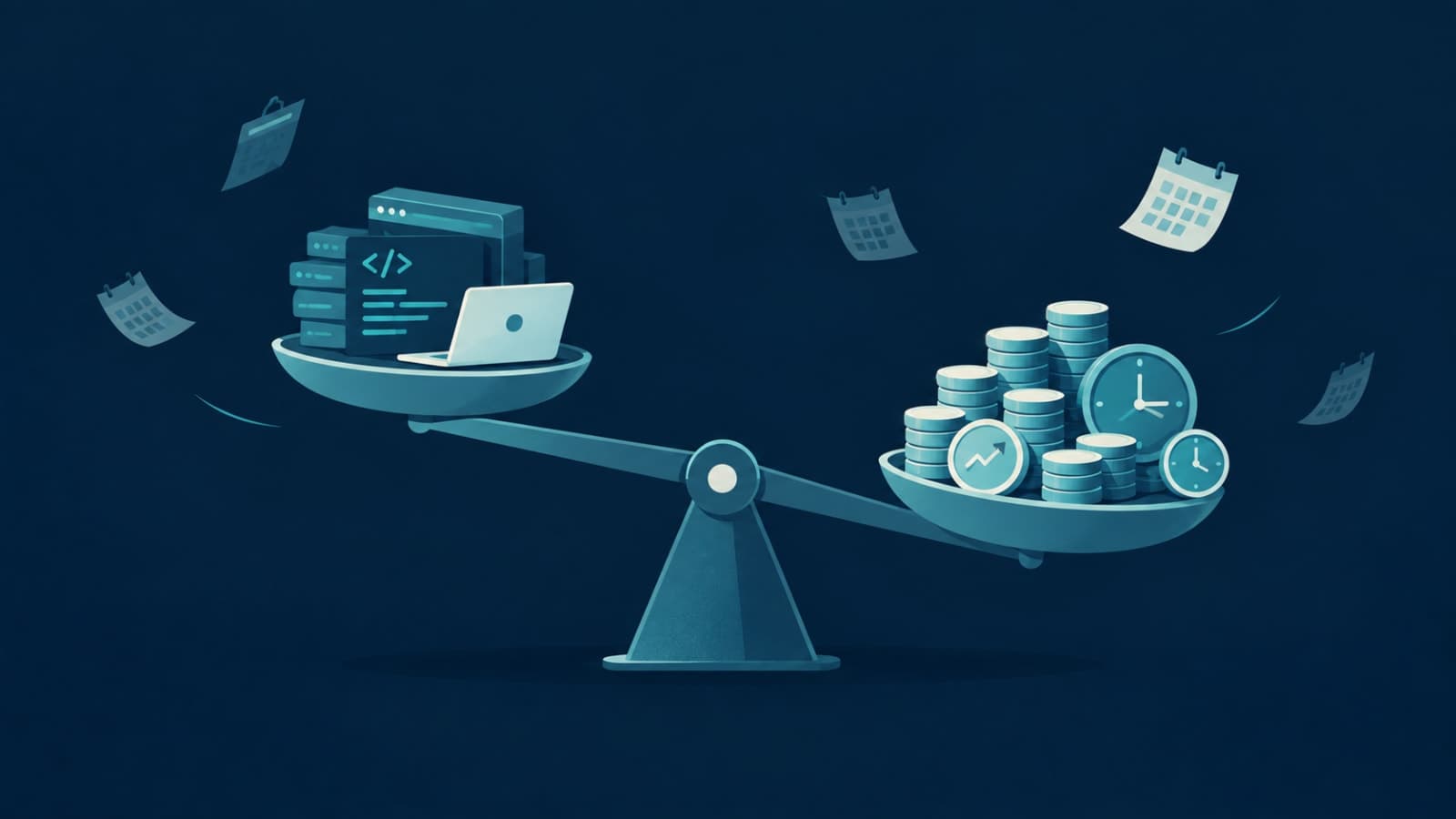
The right question isn't "how much does it cost" but "how long until it pays for itself". Add up the hours your team spends on re-typing, chasing, and reconciling each month, plus the cost of the mistakes the current process lets through. Compare that with the build and running costs. Our custom software payback guide walks through the calculation, and build vs buy covers when an off-the-shelf tool is the better deal.
For manufacturers and traders, the payback usually comes from stock accuracy and faster billing — see our work in manufacturing and industrial software.
How to get a quote you can trust
Write down your main workflows step by step, and who does each step. Our guide to briefing a software agency has an outline.
Share screenshots of the spreadsheets and forms you use today.
Split features into "must have at launch" and "later".
Ask for an itemised quote against a written scope, including design, testing, deployment, and a warranty period.
How much does custom software cost for a small business in India?
It depends on how many workflows, user roles, and integrations it needs. A focused tool for one process is a small project; a connected system across departments or branches is much larger. The fastest way to an accurate number is a short scoping call against your actual process.
Why do custom software quotes vary so much?
Because each quote assumes a different scope. One may cover only development; another includes design, testing, data migration, deployment, and support. Compare quotes against the same written scope, line by line.
How long does it take to build custom software?
A focused tool typically takes 4–8 weeks, a business system with several connected workflows 8–16 weeks, and a platform with web and mobile apps longer. Timelines depend mostly on scope and how quickly decisions are made.
Is custom software cheaper than off-the-shelf software in the long run?
Sometimes. Off-the-shelf tools are cheaper to start with, but per-user fees grow with your team and workarounds cost staff time. Custom software costs more up front and less per user later, and fits your process exactly. Work out the payback before deciding.
Do I own the software and the code?
You should. Make sure the contract transfers code ownership to you and that hosting, domain, and app store accounts are registered in your company's name.
Want a real number for your system? Book a free scoping call — we'll map your workflows and give you a fixed, itemised quote against a written scope.