Fall Rise Infotech

Fall Rise Infotech

Build vs Buy in 2026: When Off-the-Shelf Software (and AI) Stops Being Cheaper

Buying is faster and building gives you control, but the real answer depends on 3-year cost, fit, and what makes you different. A practical build vs buy framework, including AI.

Businessbuild-vs-buycustom-softwaresaasai-strategytotal-cost-of-ownership4 min read·

By Hardik Dhameliya, Founder & Full-Stack Developer

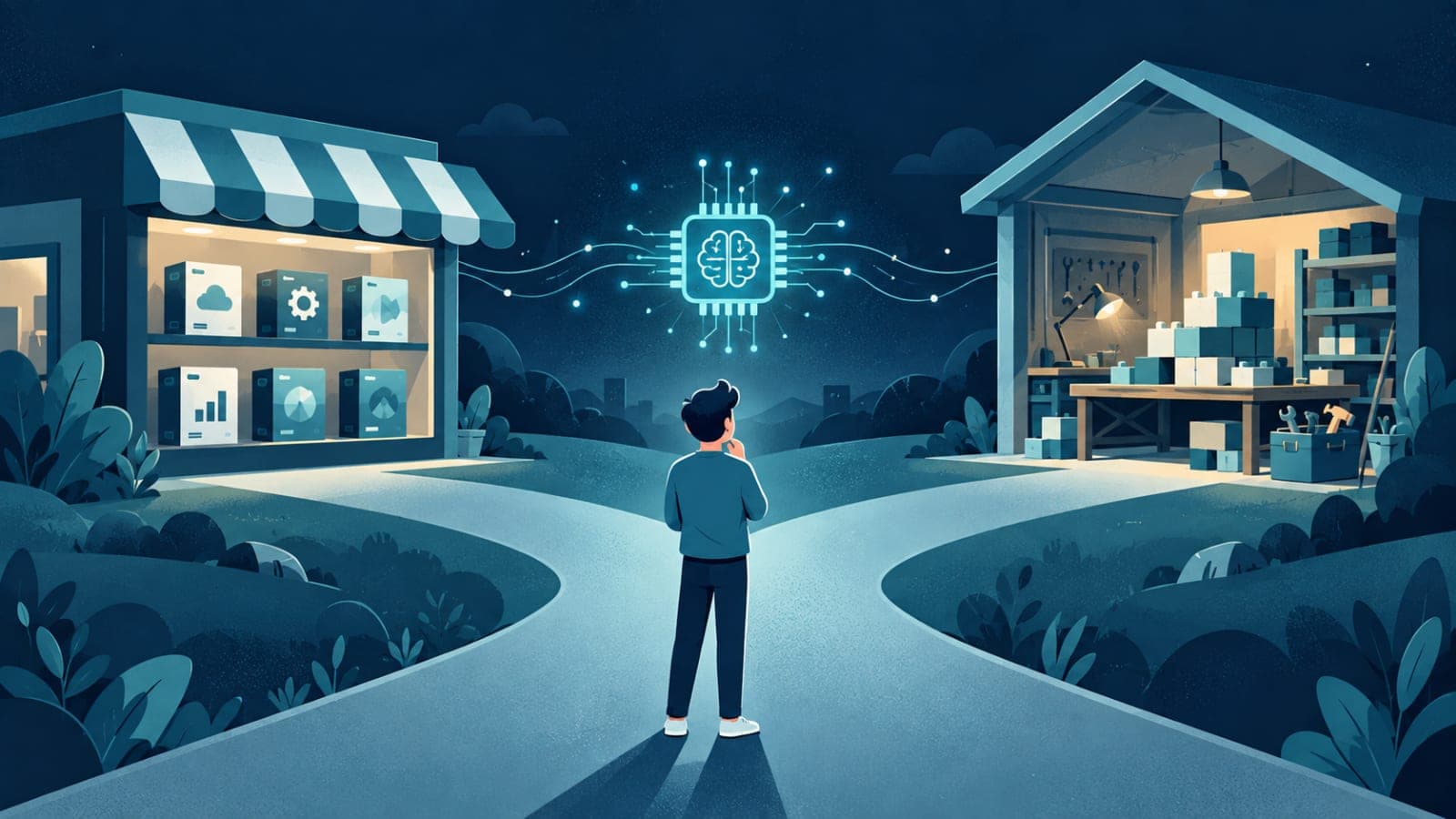
Crossroads between buying off-the-shelf software and building custom software, with an AI element between
"Should we build this or just buy something?" It's one of the most expensive decisions a growing business makes, and it's usually made on gut feel. Buying feels fast and safe. Building feels like control. Both can be the wrong call. Here's a framework you can run in an afternoon, including how the answer changes for AI.

Question 1: Is this what makes you different?

Payroll, email, accounting, and video calls work the same way for almost everyone. Buy them. But if the process is how you win (your quoting logic, your dispatch model, your customer experience), forcing it into generic software means working the way the vendor decided, like everyone else using it.

Buy what's standard. Build what's strategic.

Question 2: Does an existing product cover 80% of the need?

If one tool covers most of what you need and the gaps are minor, buy it and adapt. If you need three or four tools stitched together with automations to cover one workflow, the "buy" option is already a fragile custom system, just one you don't control. (If that sounds familiar, start with a SaaS audit.)

Question 3: What's the 3-year cost, not the monthly price?

SaaS looks cheap per month; custom looks expensive up front. Compare them over three years. Here's an illustrative example for a 25-person team:
Buy (SaaS)Build (custom)
Upfront$0$35,000
Year 1$18,000 (25 seats × $60/mo)$8,100 (maintenance + hosting)
Year 2 (+10% price rise)$19,800$8,100
Year 3 (+10% price rise)$21,780$8,100
3-year total$59,580$59,300
Almost identical, before you add headcount growth (which raises SaaS cost but not custom), integration tools, or the hours spent working around gaps. When costs are this close, the decision should come down to fit and control. To model your own numbers, use our custom software payback calculation.
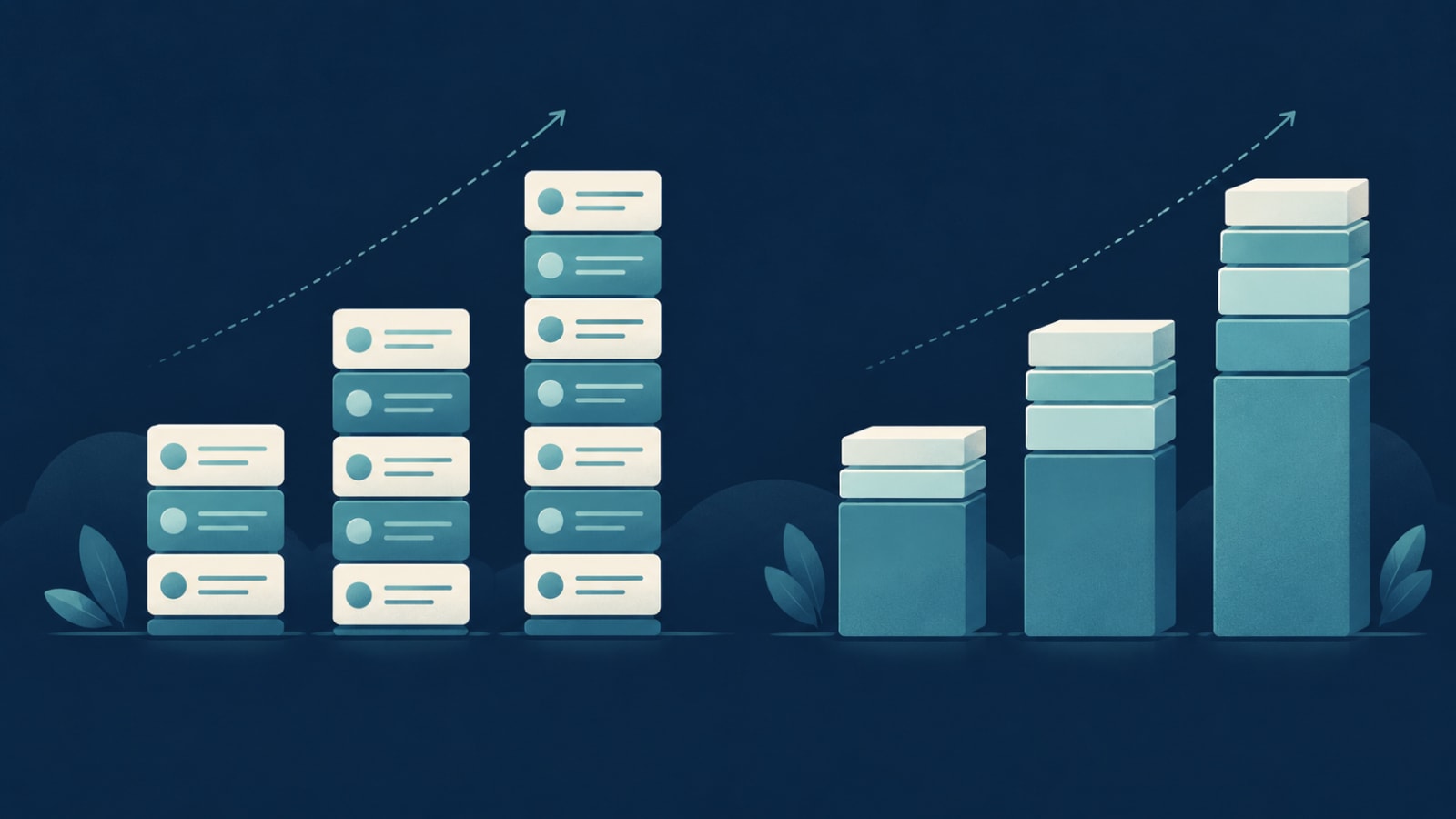
Three-year cost comparison of buying SaaS versus building custom software

Question 4: How much do you need to integrate and own?

  • Do you need your data in one place for reporting?
  • Will the tool connect to your existing systems without fragile workarounds?
  • Can you export all your data if you leave?
  • Could a price change or product shutdown hurt your operations?

What about AI?

The build vs buy question looks different for AI, and the data leans towards buying. MIT NANDA's 2025 GenAI Divide report found that AI tools purchased from or built with specialised partners reached deployment about 67% of the time, compared with roughly 33% for purely internal builds. In practice that means:

The answer is usually both

Most well-run businesses buy the commodity parts (payments, email delivery, authentication, accounting) and build the core workflow that ties them together. Payment rails are a good example: you'd never build your own, but choosing the right one and integrating it well is strategic.

Quick decision guide

  • Buy if it's standard, a single tool covers 80%+, and the team is small.
  • Build if it's your competitive edge, you're stitching several tools together, or 3-year costs favour it.
  • Build on top of bought parts in most other cases.
Still unsure? These 7 signs you've outgrown off-the-shelf software will help. Want an honest build vs buy answer for your business? Our SaaS and AI development teams will tell you when buying is the smarter move. Tell us what you're weighing up.

Related Articles

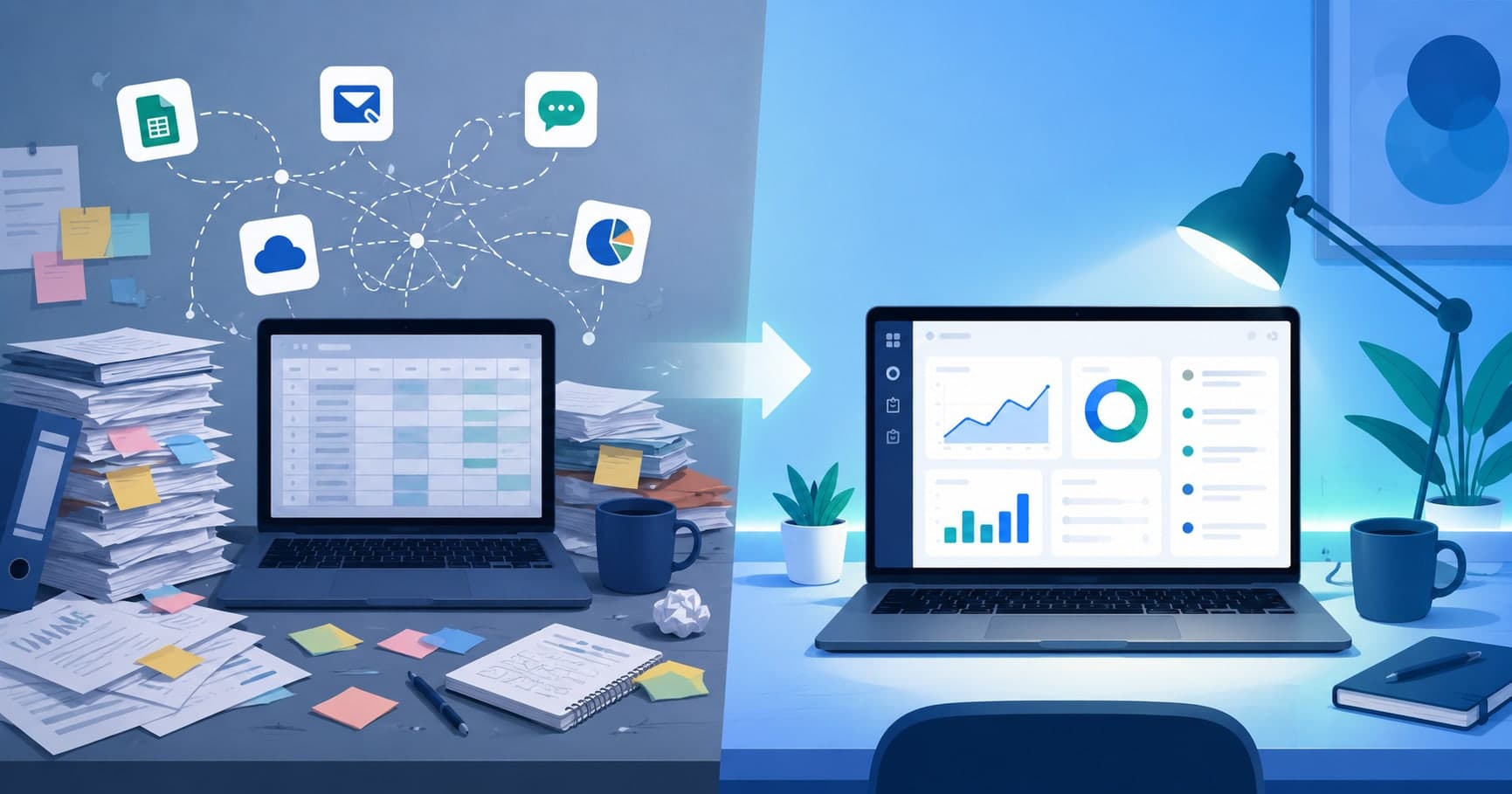
Illustration of a business owner surrounded by scattered paper, spreadsheets, and app icons on one side, versus one unified dashboard on the other
Business
Read Article
7 Signs Your Business Has Outgrown Off-the-Shelf Software

Still running on Excel, WhatsApp, and memory? Here are the clearest signs your operations have outgrown off-the-shelf tools — and what custom software actually fixes.

9 min read·Aug 15, 2026
Featured
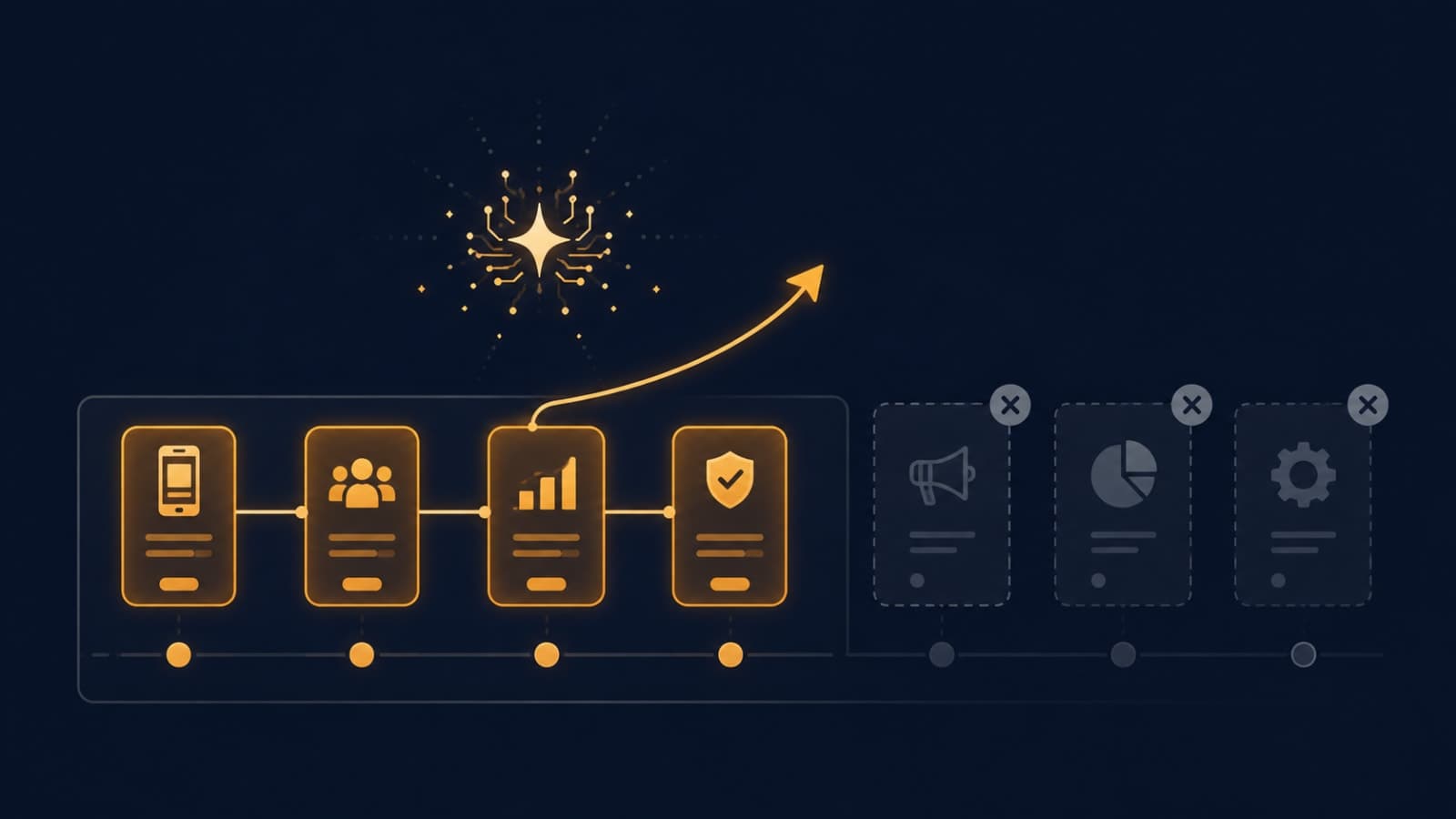
Illustration of a SaaS product roadmap with some AI feature icons highlighted as adopted and others greyed out as unused
Product Strategy
Read Article
Should Your Startup Build AI Features? A Framework for What's Worth It

Not every AI feature earns its place in your SaaS. Here's how to tell which ones drive revenue, which users actually want, and which are just marketing.

8 min read·Aug 21, 2026
Split illustration comparing an in-house development team at a desk with an outsourced remote development team collaborating over video call
Business
Read Article
In-House vs Outsourced Development Team: Which Should Your Startup Choose?

In-house and outsourced teams both build good software — the real question is which fits your stage, budget, and runway. Here's how to decide.

11 min read·Jul 29, 2026
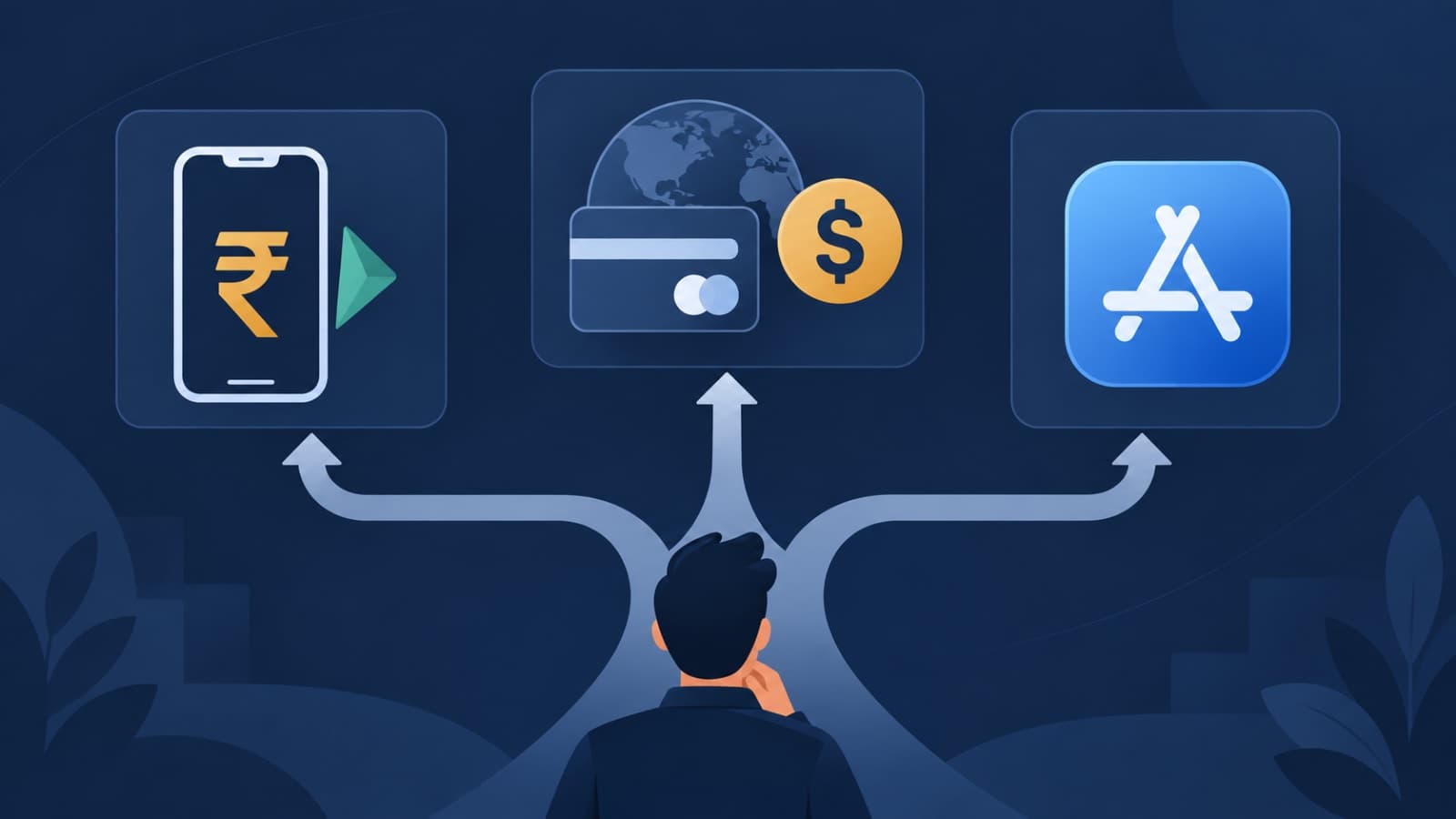
Three payment rail icons — Razorpay, Stripe, and app store in-app purchase — with a decision path branching between them, flat tech-blog illustration style
Business
Read Article
Razorpay, Stripe, or Apple/Google IAP: Choosing the Right Payment Rail

Payment rail choice isn't a checkout detail — it decides how much of every rupee you keep. A founder's framework for Razorpay, Stripe, and in-app purchase.

9 min read·Sep 13, 2026

Let's work together

We're open to new projects and partnerships — reach out to see how we can collaborate.

Contact