Fixed Price vs Time & Materials: How Should You Pay for Software Development?
Fixed price feels safer, and time and materials feels flexible, but each hides a different risk. Here's how the main software pricing models really work and which fits your project.
Businesssoftware-pricingfixed-pricetime-and-materialsoutsourcingproject-budgeting3 min read·
When an agency sends a proposal, the pricing model can matter as much as the price. Two quotes for the same project can carry completely different risks depending on whether you're paying a fixed amount, paying for hours, or paying for a team.
Here's how each model actually works, what it quietly costs you, and how to pick.
The three main models
Fixed price
One agreed price for an agreed scope, usually paid in milestones. You know the number up front.
The hidden cost: the agency carries the risk of underestimating, so a sensible agency adds a buffer to cover it. And because scope is locked, every change becomes a formal change request, which can create friction exactly when you learn the most about what users need.
Time and materials (T&M)
You pay for the hours actually worked at an agreed rate, usually billed weekly or monthly. Scope can change as you learn.
The hidden cost: the final bill isn't known up front. Without caps and visibility, budgets can drift.
Dedicated team or retainer
You pay a monthly fee for a set team or a block of hours. Best for ongoing product development and maintenance.
The hidden cost: you're paying for capacity, so you need a steady backlog of work, and someone on your side to prioritise it.
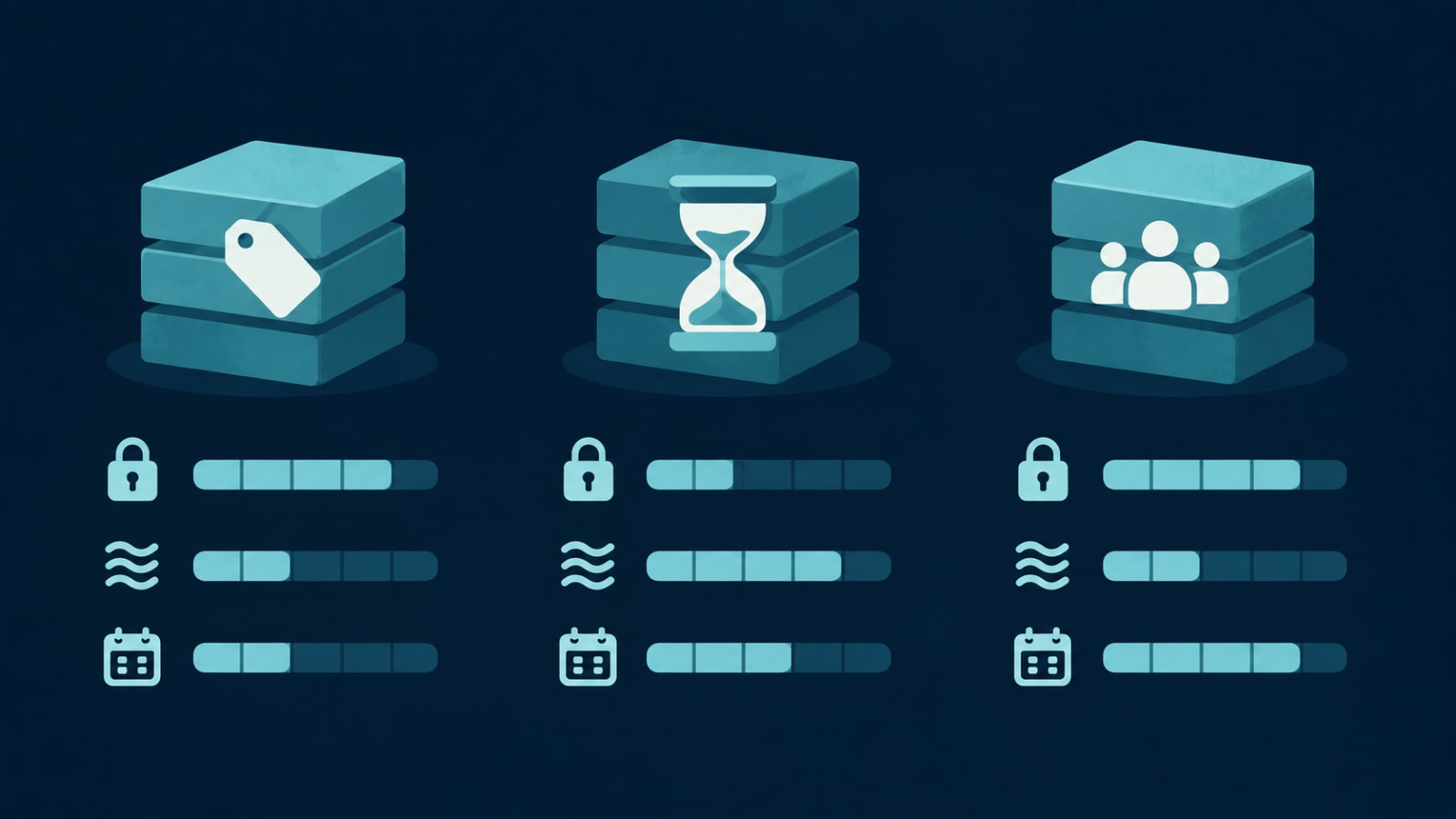
Side-by-side comparison
Fixed price
Time & materials
Dedicated team
Budget certainty
High
Low–medium (use caps)
High per month
Flexibility to change
Low
High
High
Who carries estimate risk
Agency (priced in)
You
You
Upfront spec needed
Detailed
Light
Ongoing backlog
Best for
Well-defined MVP or phase
Evolving products, unclear scope
Long-term product work
Which model fits your project?
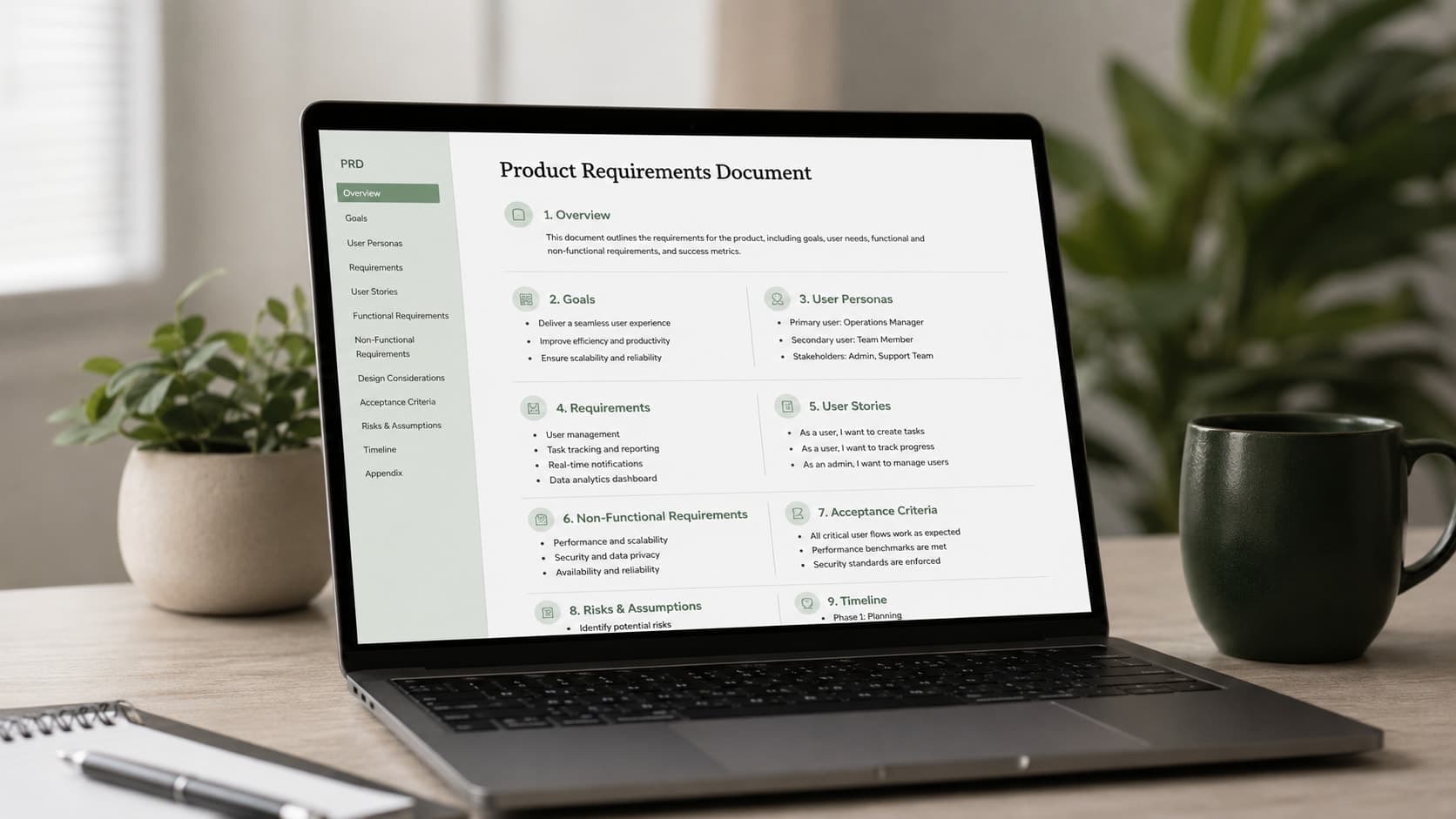
Choose fixed price when the scope is genuinely clear: a well-written PRD, known integrations, and a defined first release.
Choose T&M when you're still discovering what users need, or when integrations and third parties introduce unknowns.
Choose a dedicated team once the product is live and you have a continuous roadmap.
The hybrid that works for most founders
In practice, the most founder-friendly approach combines them:
A short, fixed-price discovery phase to turn the idea into a clear scope, wireframes, and estimate.
Fixed-price milestones for the well-defined MVP, each paid on delivery of working software.
T&M or a monthly retainer after launch, when priorities change weekly based on real user feedback.
This gives you budget certainty where scope is clear, and flexibility where it can't be.
How to protect yourself under any model
Tie payments to working software, not to time passing or documents delivered.
Ask for a monthly cap on T&M work, with approval needed to exceed it.
Get weekly visibility: hours used, what was built, what's next.
Agree how changes are priced before the first one comes up.
Watch the feature creep. Every addition costs more than it looks. Here's why.
We work fixed-price, milestone-based, and on retainer, and we'll recommend the one that fits your stage rather than the one that suits us. Explore our custom software development service, or share your project brief for an itemised estimate.