"It's just one more feature" is one of the most expensive sentences in software development, and almost nobody means it to be. A founder asks for a small addition — let non-admin users export their own data, say — and it sounds like an afternoon of work. Then someone actually opens the codebase and finds that the export has to respect role permissions, trigger an audit log entry, get queued through a background job so it doesn't time out the request, and show up correctly in three different account tiers with three different data limits. The "one more feature" was never one feature. It was five, wearing a trench coat.
This isn't a story about developers being slow or founders asking for too much. It's what happens in any product built as an interconnected system rather than a pile of independent screens. Once an app has real users, real permissions, and real data relationships, almost nothing is actually small — and knowing that in advance is the difference between a roadmap that holds together and one that quietly slips every sprint.
Why a Small Feature Rarely Stays Small
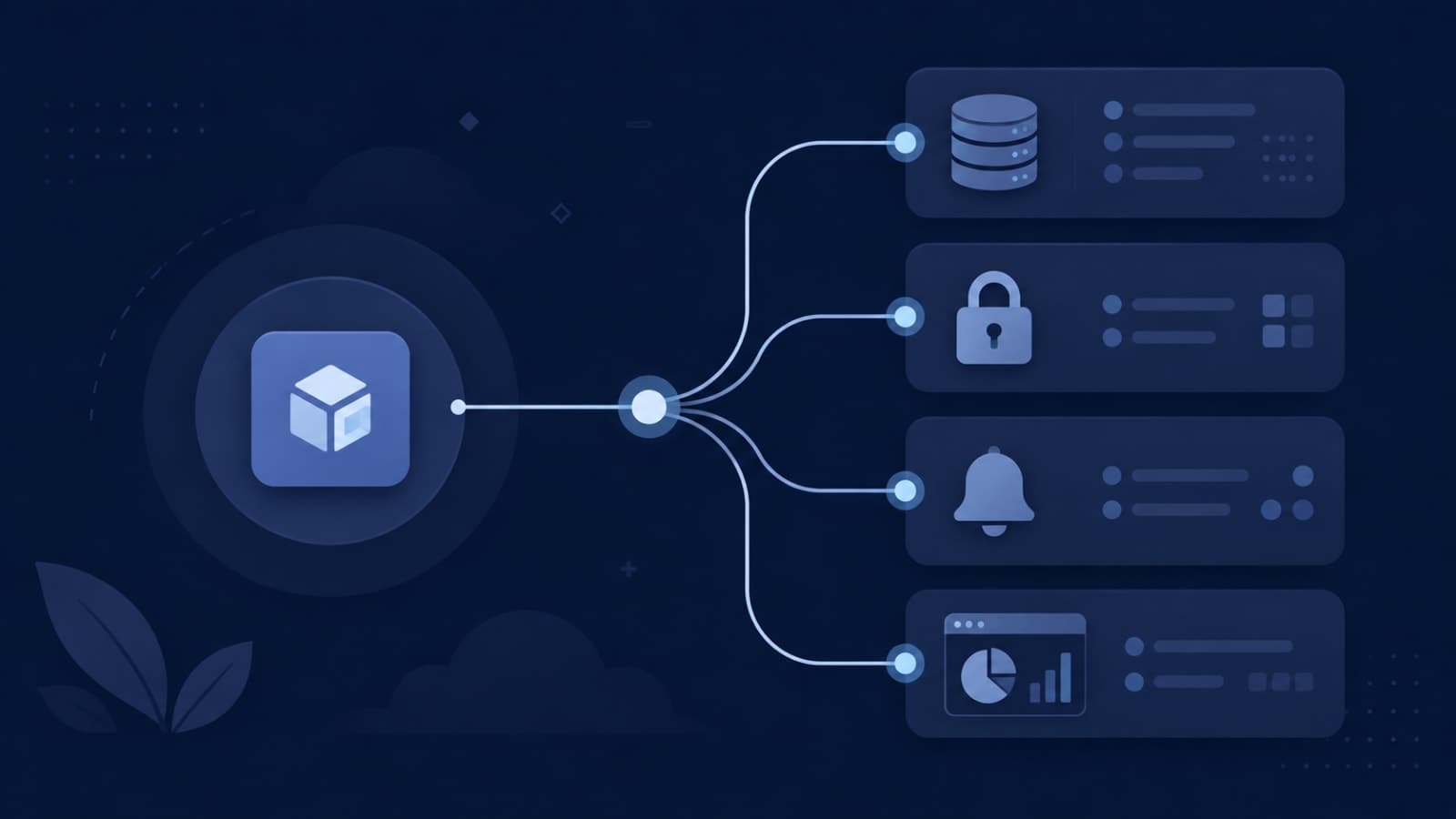
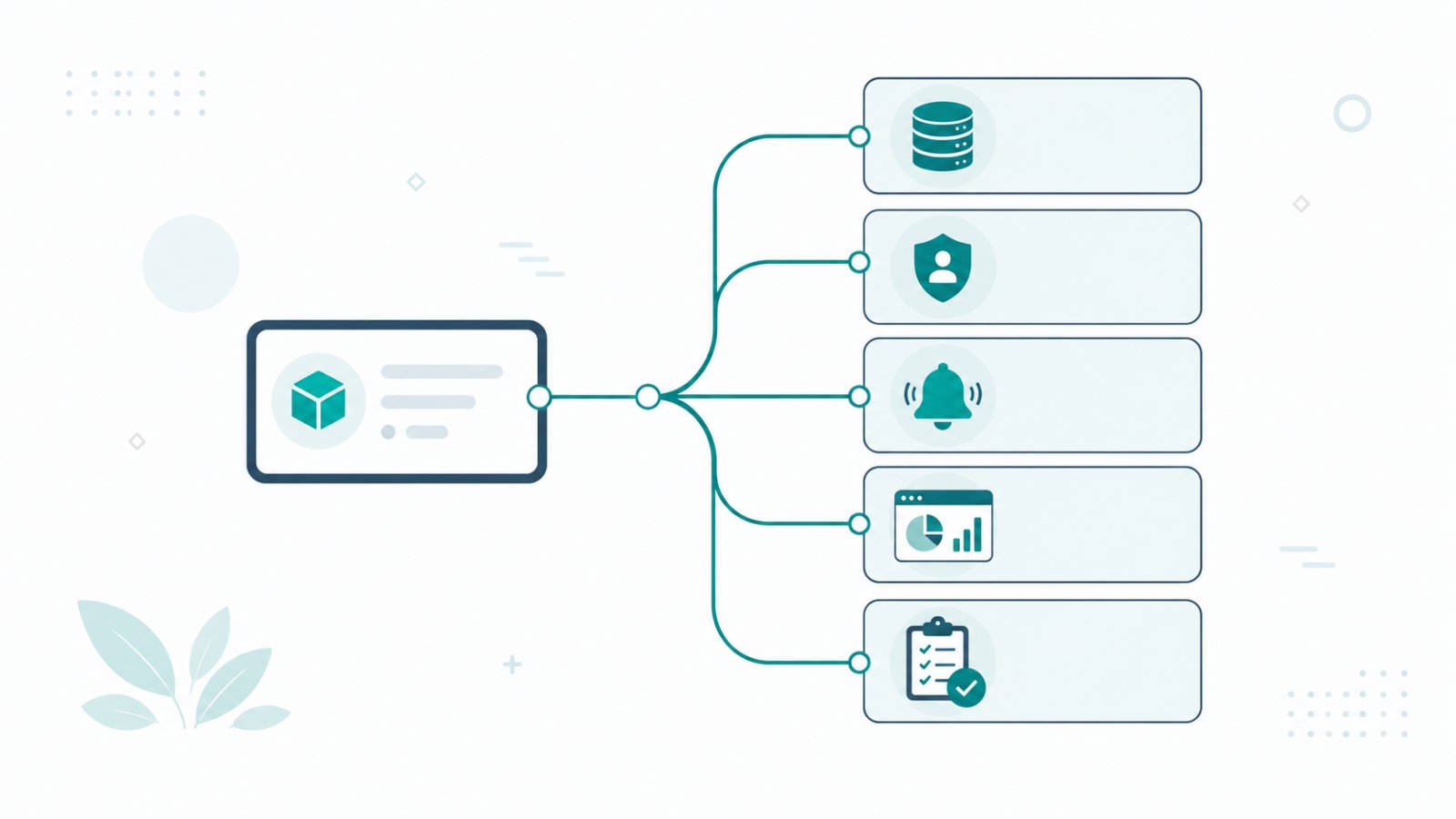
The cost of a feature has almost nothing to do with the UI you're picturing when you ask for it. The UI is usually the fastest part to build. The cost lives in everything the feature has to connect to: the data model it reads from, the permissions layer that decides who can see it, the notifications it might trigger, the admin views that now need to reflect it, and the tests that have to prove it didn't quietly break something three screens away. In a mature product, a feature request isn't a single task — it's a small tour through most of the system.
The Line Items Hiding Inside "Just Add This"
- Schema and migration work — new fields or relationships usually mean a database migration, and migrations on live data need to be backward-compatible with whatever's already running in production.
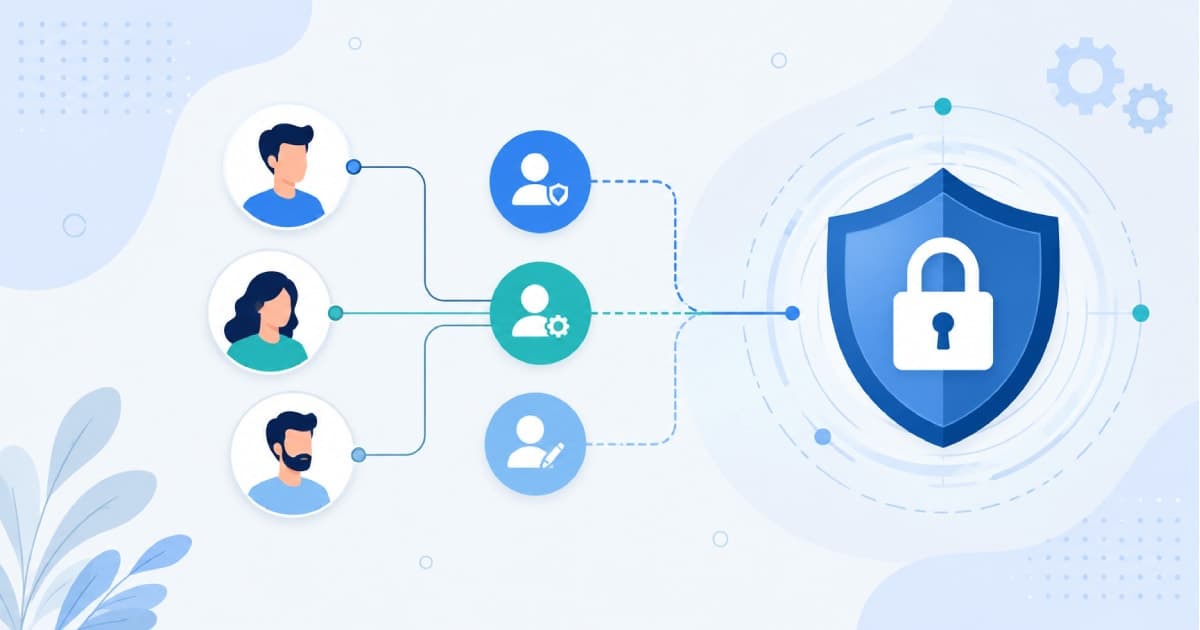
- Permission and role changes — almost every new capability needs to be scoped to the right roles, which means touching the access-control layer covered in how role-based access control works rather than a single screen.
- Regression risk and QA time — every change to a shared code path is a chance to reopen a bug that was already closed, which is exactly the pattern behind recurring support escalations.
- Admin and reporting updates — if the feature changes user behavior or data, the admin dashboard usually needs to surface it too, or your team ends up flying blind on how it's actually used.
- Notifications and downstream triggers — a new action often needs an email, a push notification, or a webhook fired somewhere else in the system, each with its own edge cases.
- Documentation and support training — someone has to update the help docs and brief support before the first customer asks about it, or the feature becomes next month's escalation.
Why Small Changes Cause Big System Effects
The deeper problem is coupling. In a well-separated system, a change to one module shouldn't ripple into unrelated ones. In practice, most products — especially ones that grew fast under deadline pressure — have places where billing logic, user state, and permissions are tangled together more than anyone intended. When that's the case, a feature that touches user state can quietly touch billing too, and a change that looks contained on a whiteboard turns into a multi-file, multi-team change once someone actually opens the code.
This is also why the same small request can cost wildly different amounts on two different products. On a well-architected system, "let users export their data" might genuinely be a day of work. On a system where the data layer, the permission layer, and the billing layer were never cleanly separated, the identical request can take a week — not because the feature is harder, but because the system underneath it wasn't built to isolate change.
Complexity is expensive. Beware feature creep in design and development, and ensure new features are linked to real customer needs rather than added for convenience.
Common product design principle
What the Data Says About Feature Creep
The numbers back up what most engineering teams feel intuitively. Feature creep is consistently cited as one of the leading causes of cost and schedule overruns in software projects, precisely because features are easy to say yes to and hard to say no to once a team is mid-build. Research examining technical debt across a large sample of codebases found that remediation work — the cost of going back and cleaning up shortcuts taken to ship faster — runs into the hundreds of thousands of dollars annually per million lines of code for a typical team, translating into thousands of developer hours redirected away from new work every year. Launch delays compound the damage further: products that slip their timeline by even a few months can lose a meaningful share of the revenue they were projected to capture in that window, simply because the market didn't wait.
None of that is an argument against building new features — it's an argument for pricing them accurately before committing to them. A feature that would take a day in isolation but three days once its dependencies are mapped isn't a bad feature; it's a feature whose real cost wasn't visible until someone asked the right questions.
How to Estimate the Real Cost Before You Say Yes
The fix isn't refusing every feature request — it's asking a short set of questions before committing to a timeline, so the estimate reflects the system the feature is actually landing in, not just the screen it's landing on.
- What data does this touch, and does it need a migration? If yes, budget time for writing a migration that's safe to run against live production data.
- Who should and shouldn't have access to this? If the answer isn't "everyone, identically," the permissions layer needs updating, not just the UI.
- Does this need to show up anywhere else? Admin views, reports, exports, and notifications are easy to forget until a customer or teammate asks where the new data went.
- What existing tests does this change put at risk? If the feature touches a shared code path, regression testing time belongs in the estimate, not as a surprise afterward.
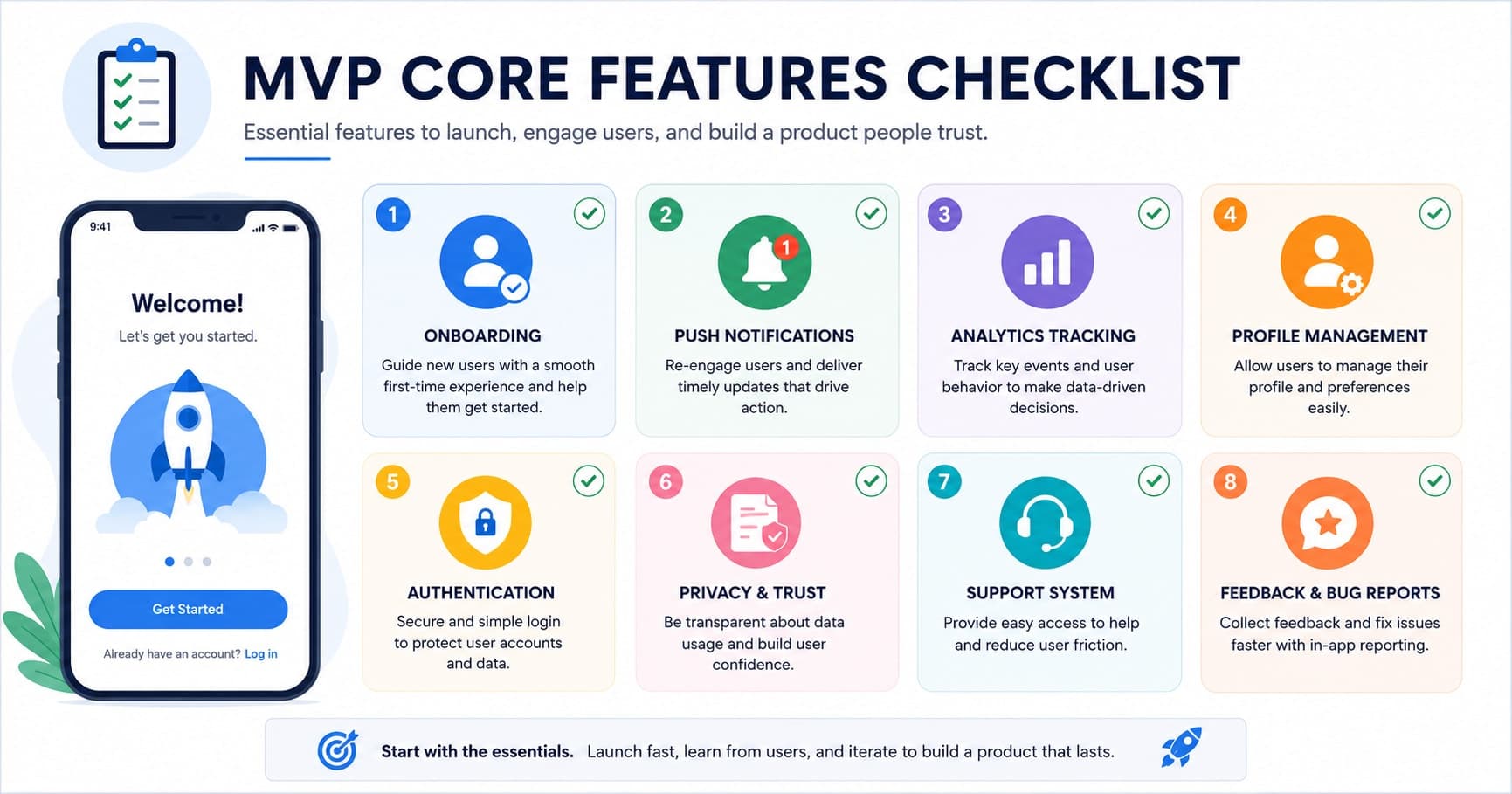
- Does this belong in the current release, or is it scope creep? Comparing the request against your original MVP boundaries — the kind laid out in 12 features every startup MVP should include — makes it easier to separate "needed now" from "nice, but not this sprint."
This kind of triage matters even more for decisions with a genuinely uncertain payoff, like whether to build an AI feature at all. The same discipline — mapping real cost and dependency before committing — is exactly the approach covered in should your startup build AI features?, and the same logic applies to deciding between shipping an MVP now versus the fuller version later, as covered in MVP vs full product: what should startups build first.
How We Scope This at Fall Rise
Before we commit to a timeline on any feature request, we map its dependencies first — what data it touches, which roles it affects, and what else in the system has to change alongside it. On products like Bhaada, our logistics and parcel platform, and RentEra, our rental platform, that mapping step is what keeps a "quick addition" from turning into a surprise two-week detour. You can see more examples of how we scope feature work across our project portfolio.
This kind of dependency-aware estimating matters whether the work is on a mobile app, a SaaS platform, or the backend API layer underneath either one. It's also why we treat custom software development as an ongoing architecture conversation rather than a fixed feature list handed off once at kickoff — the system a feature lands in changes what that feature actually costs.
The next time "just one more feature" comes up in a planning meeting, the useful question isn't whether it's a good idea — it's what else in the system it's going to touch on the way in. Map that first, and the estimate stops being a guess. If you're scoping a feature and want a second opinion on what it's really going to cost, let's talk.