Fall Rise Infotech

Fall Rise Infotech

How Long Until Custom Software Pays for Itself? A Simple ROI Calculation

Custom software isn't an expense or an investment until you run the numbers. Here's a simple payback formula, a worked example, and the case where building doesn't pay off.

Businesscustom-softwaresoftware-roipayback-periodbuild-vs-buybusiness-case4 min read·

By Hardik Dhameliya, Founder & Full-Stack Developer

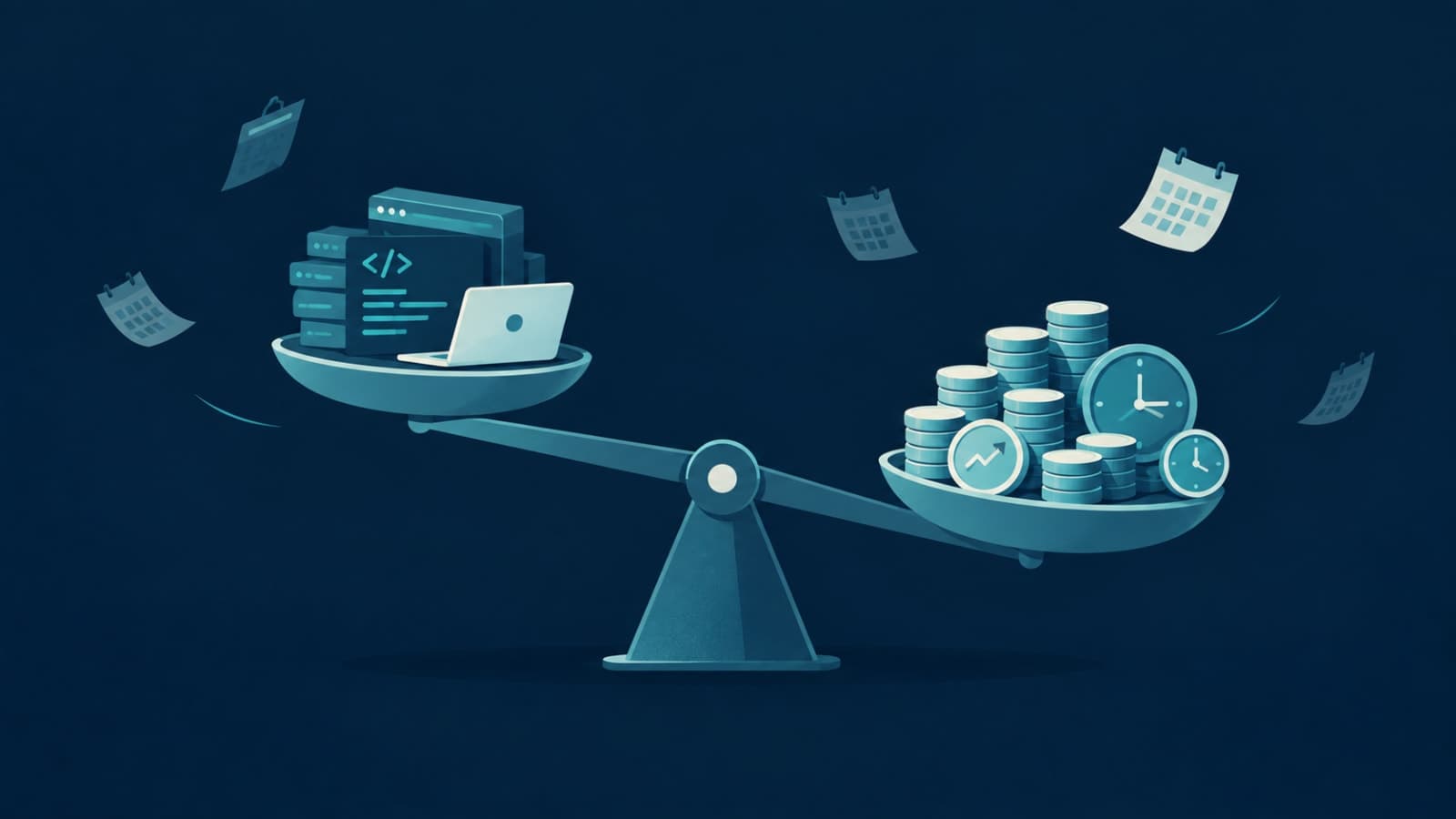
Balance scale weighing software build cost against time and money saved, representing custom software ROI
Every conversation about custom software eventually lands on the same question: "When do we get our money back?" It's the right question, and it's one most agencies dodge with vague talk about "efficiency" and "scalability." You don't need a finance team to answer it. You need four numbers and one formula. Here's how to work out your payback period before you sign anything.

The payback formula

Payback period (months) = Build cost ÷ (Monthly benefit − Monthly running cost)

That's it. The hard part isn't the maths. It's being honest about what goes into each number.

What counts as "monthly benefit"

  • Hours saved × loaded hourly cost. Use the real cost of an employee hour (salary plus overheads), not just wages. Only count hours that actually get redeployed or avoided, such as overtime you no longer pay or a hire you no longer need.
  • Subscriptions replaced. If the new system retires three SaaS tools, their monthly fees are a direct saving.
  • Errors avoided. Wrong invoices, missed bookings, stock write-offs. Estimate how many happen a month and what each one costs.
  • Revenue captured. Faster quotes, fewer abandoned orders, bookings taken after hours. Be conservative here; this is where business cases get inflated.

What counts as "monthly running cost"

  • Hosting and third-party services (SMS, maps, payment fees)
  • Maintenance and support. A common planning rule of thumb is 15–20% of the original build cost per year
  • Internal time spent managing the system

A worked example

Take a regional delivery business taking bookings by phone and WhatsApp, a situation we unpacked in why phone-based cargo booking costs customers. Three coordinators each spend roughly 12 hours a week taking bookings, confirming drivers, and answering "where's my shipment?" calls.
ItemMonthly value (USD)
Coordinator time saved (≈156 hrs × $25 loaded)$3,900
Tools retired (booking form, SMS tool, spreadsheet add-ons)$600
Missed bookings recovered (10 × $80 margin)$800
Total monthly benefit$5,300
Hosting and services−$200
Maintenance (18% of build per year ÷ 12)−$450
Net monthly benefit$4,650
With a build cost of $30,000, the payback period is 30,000 ÷ 4,650 ≈ 6.5 months. After that, the system is producing roughly $55,000 a year in net value. That's the kind of maths behind platforms like Bhaada, where booking, dispatch, and tracking replaced a phone-and-spreadsheet operation.
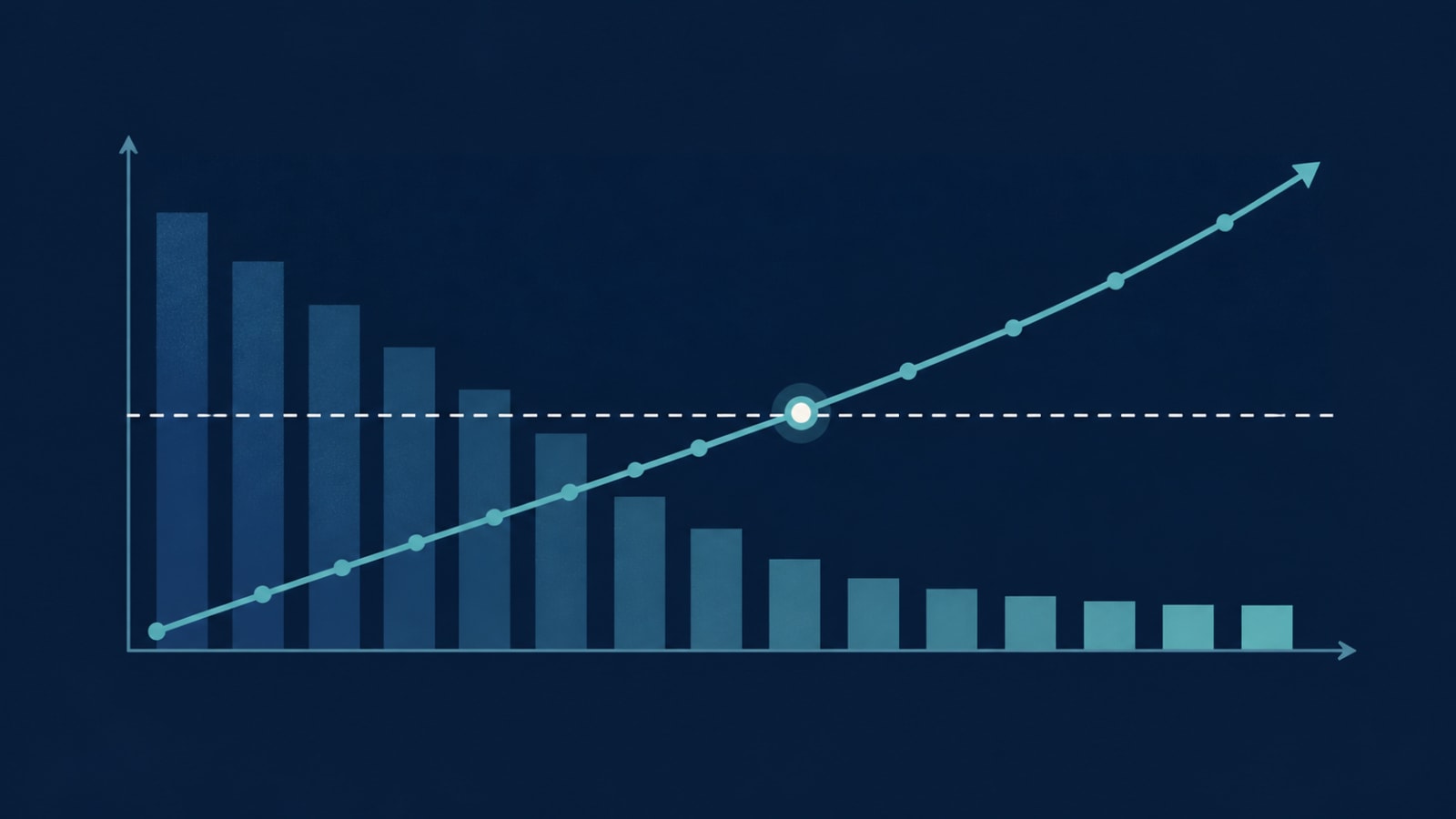
Payback chart showing cumulative savings crossing the build cost at the break-even point

When custom software doesn't pay for itself

Now change the inputs. Say only one person saves four hours a week, no tools get retired, and errors are rare. Monthly benefit drops to around $430; after $650 of running costs, the net is negative. The system never pays back. That's not a failure of the formula. It's the formula doing its job. If your numbers look like that, an off-the-shelf tool or a better process is the right answer, and a good development partner should tell you so.

Rules of thumb for a sensible payback period

  • Under 12 months: strong case. Build, but keep scope tight.
  • 12–24 months: reasonable if the process is core to how you make money and will grow with you.
  • Over 24 months: revisit scope, phase the build, or buy instead.
  • Never: don't build. Fix the process or use an existing tool.

How to shorten the payback period

  1. Build the highest-value workflow first. Ship the part that saves the most hours in phase one; the rest can wait. (See MVP vs full product.)
  2. Resist "just one more feature." Every addition extends payback. Here's what one more feature really costs.
  3. Retire tools on launch day. Savings only count once the old subscriptions are actually cancelled.
  4. Measure before and after. Log the baseline now so you can prove the result later.
For a sense of typical build budgets, our 2026 app cost guide breaks down real ranges. And if you're still deciding whether you need custom software at all, start with 7 signs you've outgrown off-the-shelf tools.

Let's run your numbers

At Fall Rise, every custom software project starts with this exact calculation. If the payback doesn't make sense, we'll say so. Want a second opinion on your business case? Send us your process and rough numbers. We usually reply within 1–2 working hours.

Related Articles

Illustration of a business owner surrounded by scattered paper, spreadsheets, and app icons on one side, versus one unified dashboard on the other
Business
Read Article
7 Signs Your Business Has Outgrown Off-the-Shelf Software

Still running on Excel, WhatsApp, and memory? Here are the clearest signs your operations have outgrown off-the-shelf tools — and what custom software actually fixes.

9 min read·Aug 15, 2026
Business
Read Article
How Much Does It Cost to Build a Mobile App in 2026?

What a mobile app actually costs to build in 2026 — by app complexity, by who builds it, and the running costs most quotes leave out. Real numbers in INR and USD.

7 min read·Sep 30, 2026
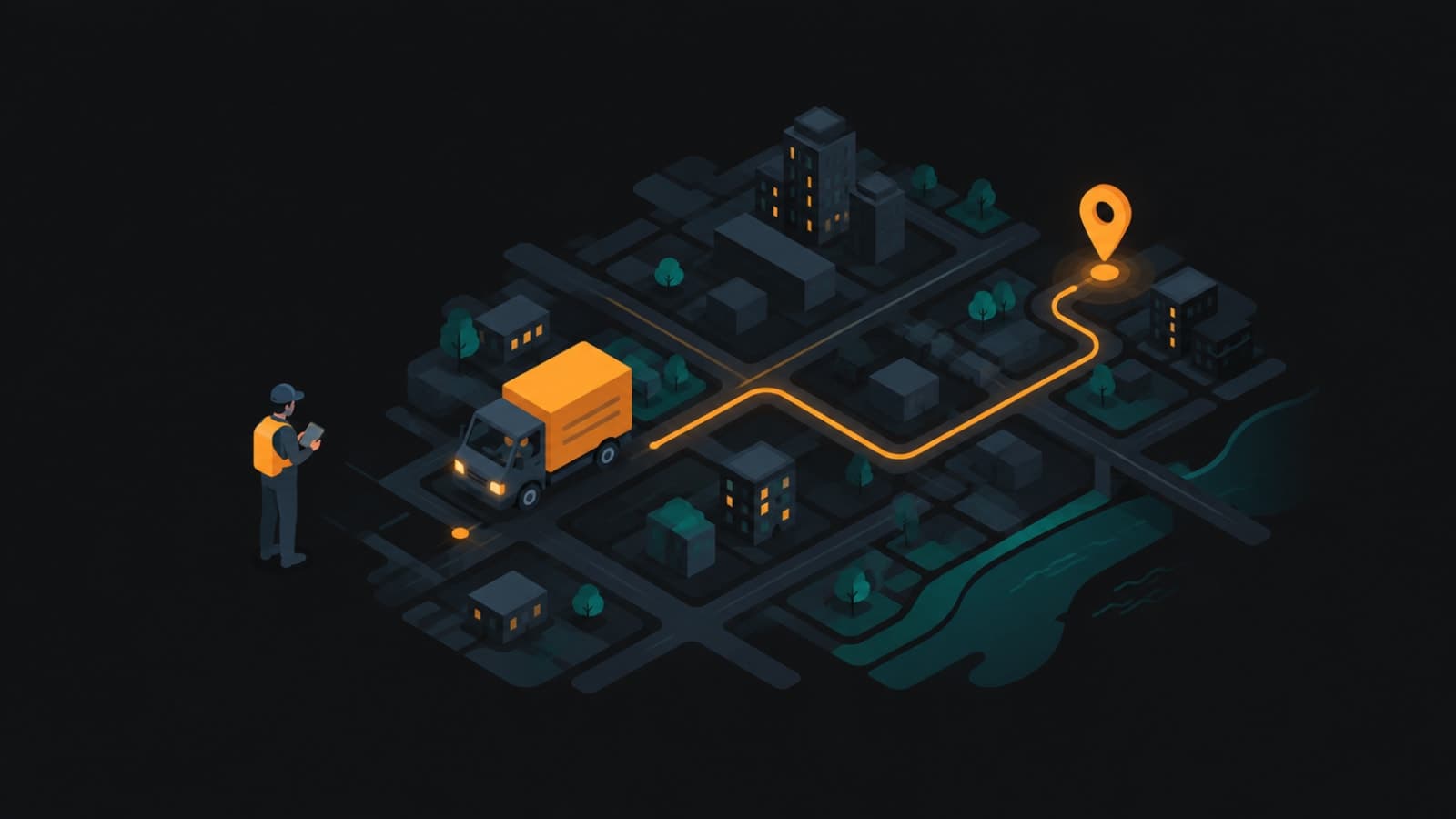
Illustration of a cargo delivery van on a city map with a live tracking route, representing cargo logistics dispatch software
Case Study
Read Article
Why Phone-Based Cargo Booking Is Costing Tier-2 Logistics Businesses Customers

Phone-based cargo dispatch works until volume grows. Here's what it's quietly costing Tier-2 and Tier-3 logistics businesses, and what a real-time booking platform looks like.

2 min read·Sep 22, 2026
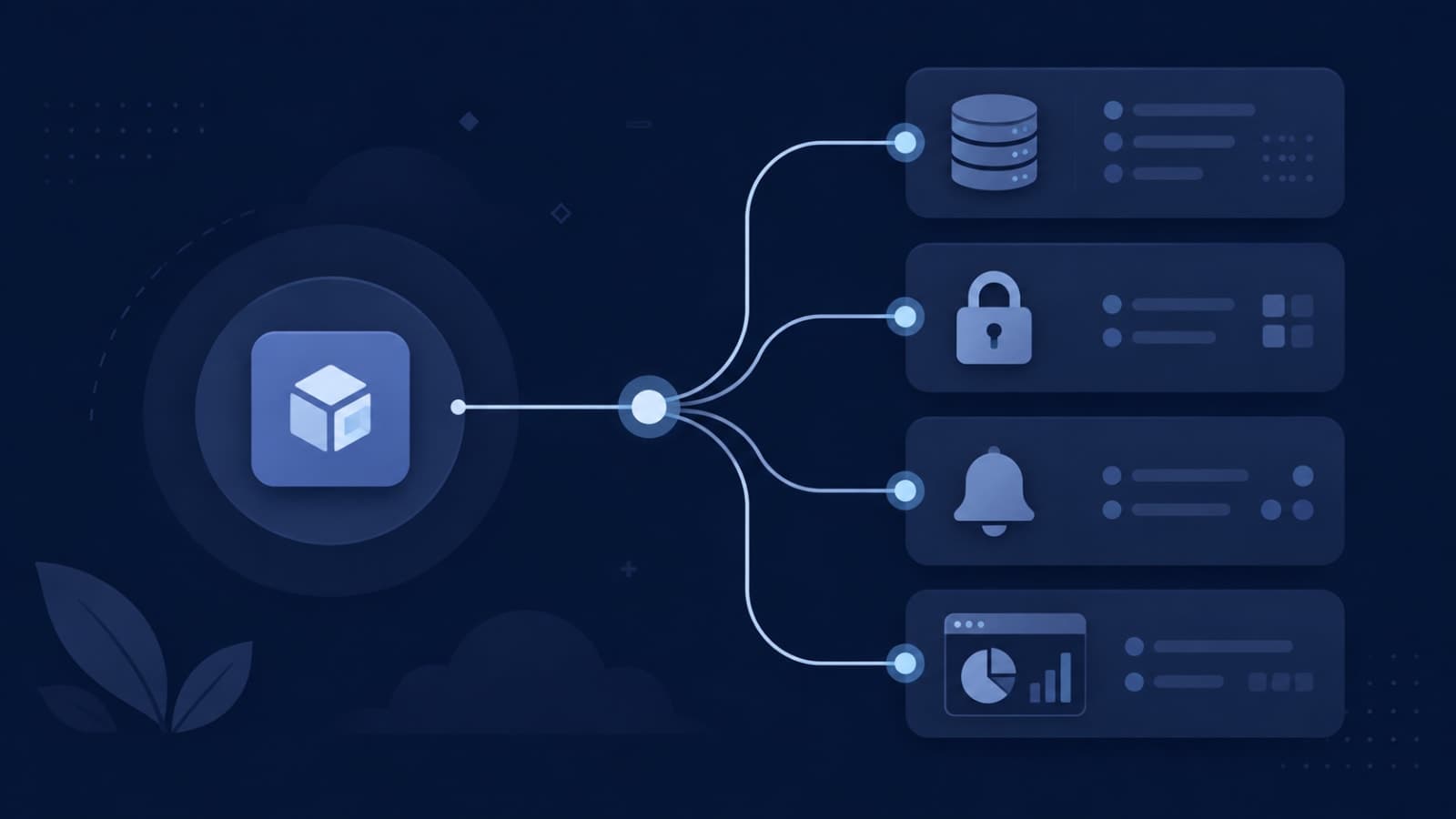
A single feature request branching out into multiple interconnected system components, illustrated in flat tech-blog style
Engineering
Read Article
How Much Developer Time Does “Just One More Feature” Actually Cost?

That “quick” feature touches permissions, data, notifications, and admin views before it's done. Here's how to price it accurately before you commit.

7 min read·Sep 3, 2026

Let's work together

We're open to new projects and partnerships — reach out to see how we can collaborate.

Contact