What happens without maintenance
- The app store blocks updates. Google Play requires apps to target a recent Android API level within about a year of each major Android release, and Apple periodically requires builds using a recent SDK. Fall behind and you can't ship even a small fix.
- Features stop working quietly. Payment gateways, maps, SMS, and login providers retire old versions of their APIs.
- Security gaps open. Libraries your app depends on get vulnerabilities discovered and patched; unpatched apps stay exposed.
- Small things expire. Domains, SSL certificates, and push notification keys all have renewal dates.
- Performance degrades as data grows and nobody tunes the database.
What a good maintenance plan covers
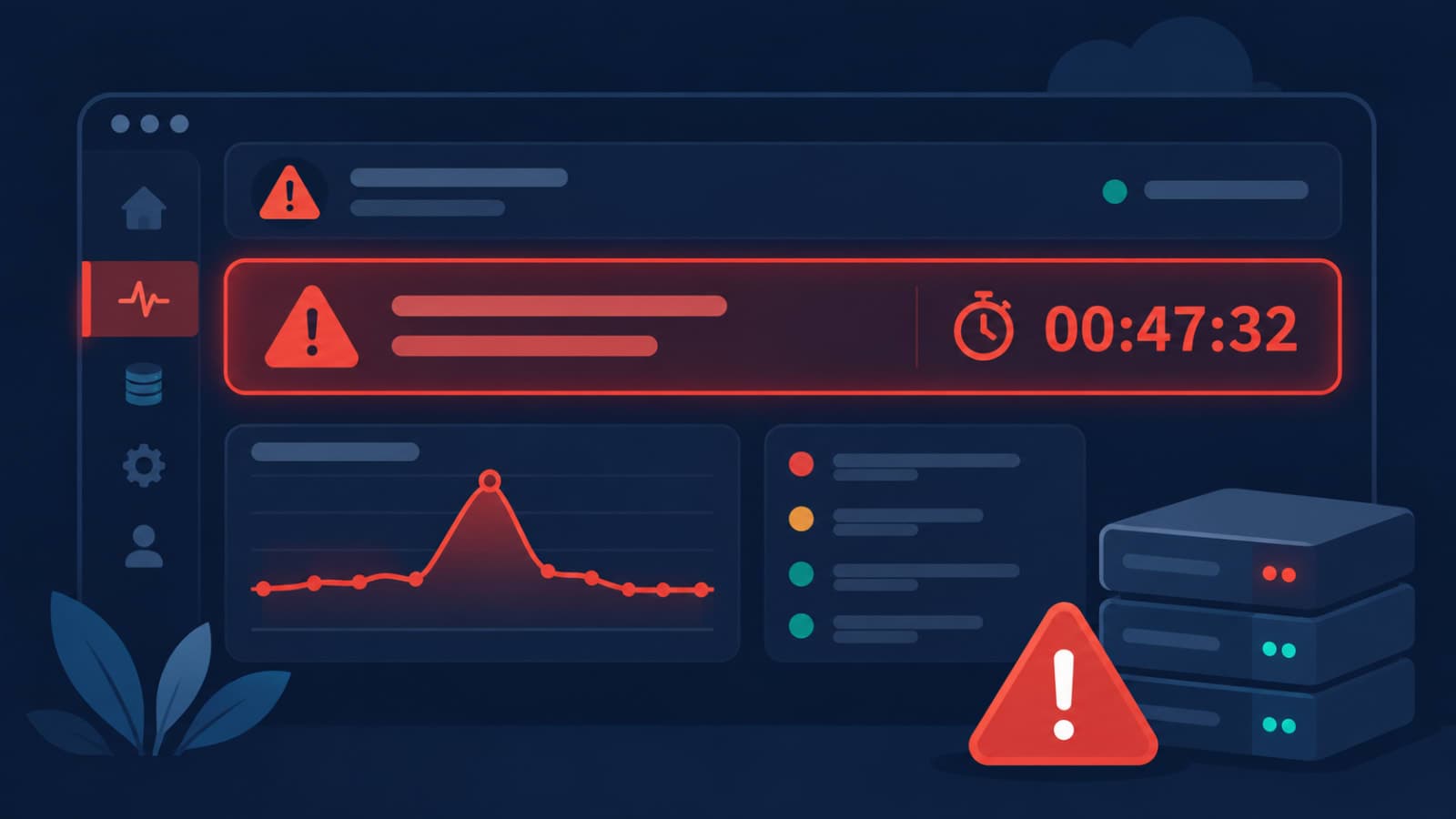
- Monitoring and uptime alerts, so problems are spotted before customers report them.
- Bug fixes with response times by severity: critical issues within hours, minor ones within days.
- Security and dependency updates, applied and tested regularly.
- OS and app store compliance: updates for new iOS and Android versions and store policy changes.
- Third-party API upkeep as providers change or retire versions.
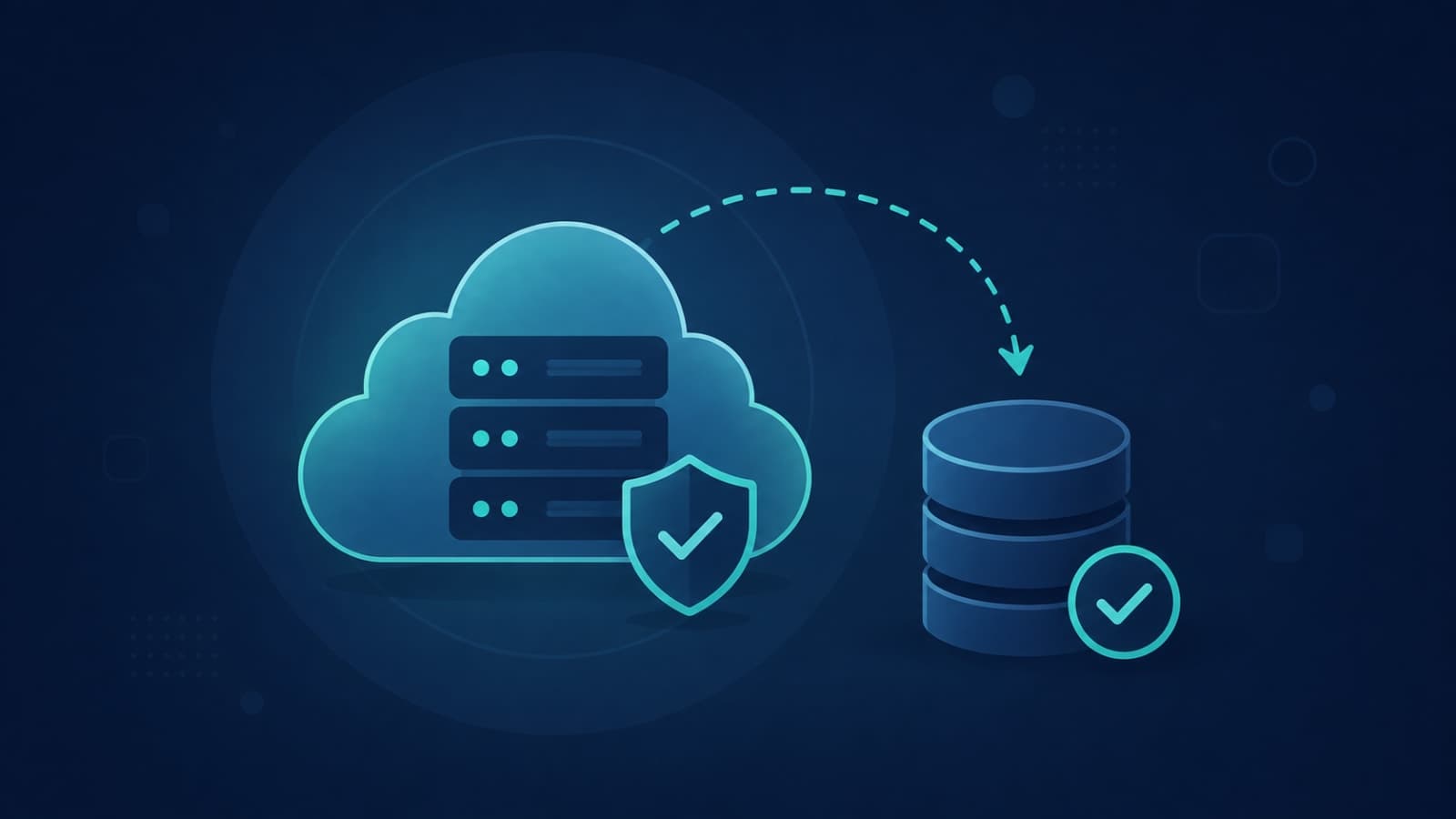
- Backups and restore testing. A backup you've never restored isn't a plan. Here's what your host does and doesn't cover.
- Hosting management: scaling, cost optimisation, and renewals.
- A small block of improvement hours for tweaks and minor features.
- A monthly report of what was done, what's coming, and any risks.

What app maintenance costs depend on
A common planning rule of thumb is 15–20% of the original build cost per year, usually paid as a monthly retainer. Where your app sits in that range depends on a few things:- Number of platforms — an Android app, an iOS app, a web app, and an admin panel each need their own updates.
- Integrations — every payment gateway, map, SMS, or login provider is another API that can change under you.
- Usage and data volume — more users means more monitoring, database tuning, and support.
- Response times you need — round-the-clock cover for critical issues costs more than business-hours support.
- Improvement hours — how much new work you want each month on top of keeping things running.
What to check in a maintenance contract
- Response and fix times for critical, major, and minor issues
- What's included, and what counts as a new feature (billed separately)
- How many improvement hours are included each month, and whether unused hours roll over
- Who holds access to code, hosting, and store accounts (it should be you)
- How security incidents are handled and communicated
- Notice period and handover process if you leave
Plan it before launch
The best time to agree maintenance is before development ends, while the team that built the product still has it fresh in mind. Ask about it alongside the other questions you should ask an agency, and consider how it fits the pricing model you choose.FAQ
How much does app maintenance cost per year?
A common rule of thumb is 15–20% of the original build cost per year, plus hosting and third-party fees. Simple apps sit at the lower end; apps with payments, many integrations, and heavy usage sit higher.What does app maintenance include?
Monitoring, bug fixes, security and dependency updates, updates for new iOS and Android versions, third-party API changes, backups and restore tests, hosting management, a few improvement hours, and a monthly report.Is app maintenance really necessary?
Yes. Without it, app stores eventually block your updates, integrations stop working as providers retire old versions, and security issues stay open. An unmaintained app doesn't stay the same; it slowly breaks.Can a different company maintain an app we didn't build with them?
Usually, yes, as long as you have the source code and access to the hosting and store accounts. Expect a short audit first so the new team can understand the code before taking it on.Launched an app that nobody's looking after? Talk to us about a maintenance plan covering hosting, monitoring, and deployment as well as ongoing updates for mobile apps. Get a maintenance quote.