12 Questions to Ask Before Hiring a Software Development Agency
Portfolios all look good. The answers to these 12 questions reveal who owns your code, who actually builds it, and what happens when scope changes or the project ends.
Businesshiring-a-software-agencyoutsourcingsoftware-developmentvendor-selectionstartup-guide7 min read·· Updated
Every agency website says the same things: experienced team, agile process, on-time delivery. The portfolio looks polished and the proposal looks thorough. None of that tells you what actually matters: who owns your code, who's really writing it, and what happens when something goes wrong.
Whether you're a founder in the US, UK, Canada, or Australia hiring an offshore team or a local one, these 12 questions will surface the answers in one call. They apply whether you're hiring for a mobile app or custom business software. Updated October 2026.
About their work
1. "Can you show me something similar that I can actually use?"
Screenshots are easy. A live app, a working website, or a store listing you can download is proof. Ask specifically for work in your industry or with similar complexity: payments, multiple user roles, real-time tracking.
2. "Who will actually write the code?"
Some agencies sell the project and subcontract the build. Ask whether the team is in-house, who your day-to-day developer will be, and whether you can speak to them before signing.
3. "Can I speak to a past client?"
A reference call takes 15 minutes and tells you more than any case study. Ask the reference what went wrong and how the agency handled it.
About ownership and control
4. "Who owns the code and IP, and when does it transfer?"
You should own what you pay for. Get it in writing: when ownership transfers (on each payment, or at the end?) and whether any reusable components stay licensed rather than owned.
5. "Whose accounts will the code, hosting, and app stores live in?"
The code repository, cloud account, domain, and app store listings should be in your name from day one, with the agency given access. If they own the accounts, they effectively own your product.
About price and scope
6. "How did you arrive at this estimate?"
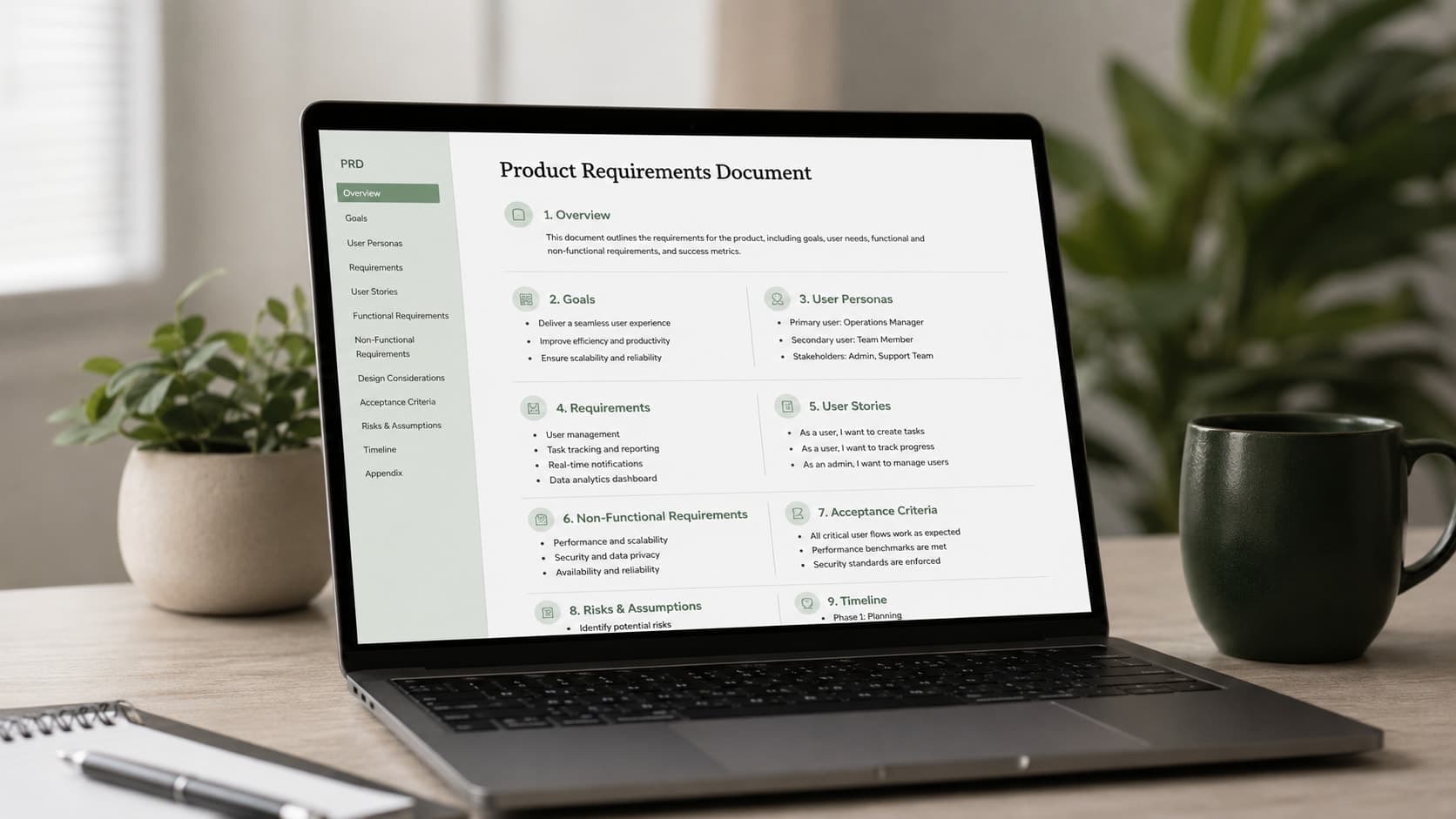
A credible estimate breaks down by feature or milestone. A single round number with no breakdown means nobody has thought through the details yet. A clear product requirements document makes estimates far more accurate.
7. "What happens when scope changes?"
It will change. Ask how change requests are priced and approved, and whether you'll see the cost before the work starts. The answer depends on the pricing model — see fixed price vs time and materials for how each one handles change.
8. "What's not included?"
Hosting, third-party fees, app store accounts, content, design revisions, post-launch fixes. Quotes are often low because they leave these out. Our 2026 app cost guide lists the running costs most quotes skip.
About process
9. "How often will I see working software?"
Weekly or fortnightly demos of real, clickable progress beat monthly status reports. Also ask about time-zone overlap and how fast they reply to messages.
10. "How do you test before release?"
Listen for specifics: who tests, on which devices, and whether there's a staging environment you can try before anything goes live.
About after launch
11. "Who deploys it, and what happens after launch?"
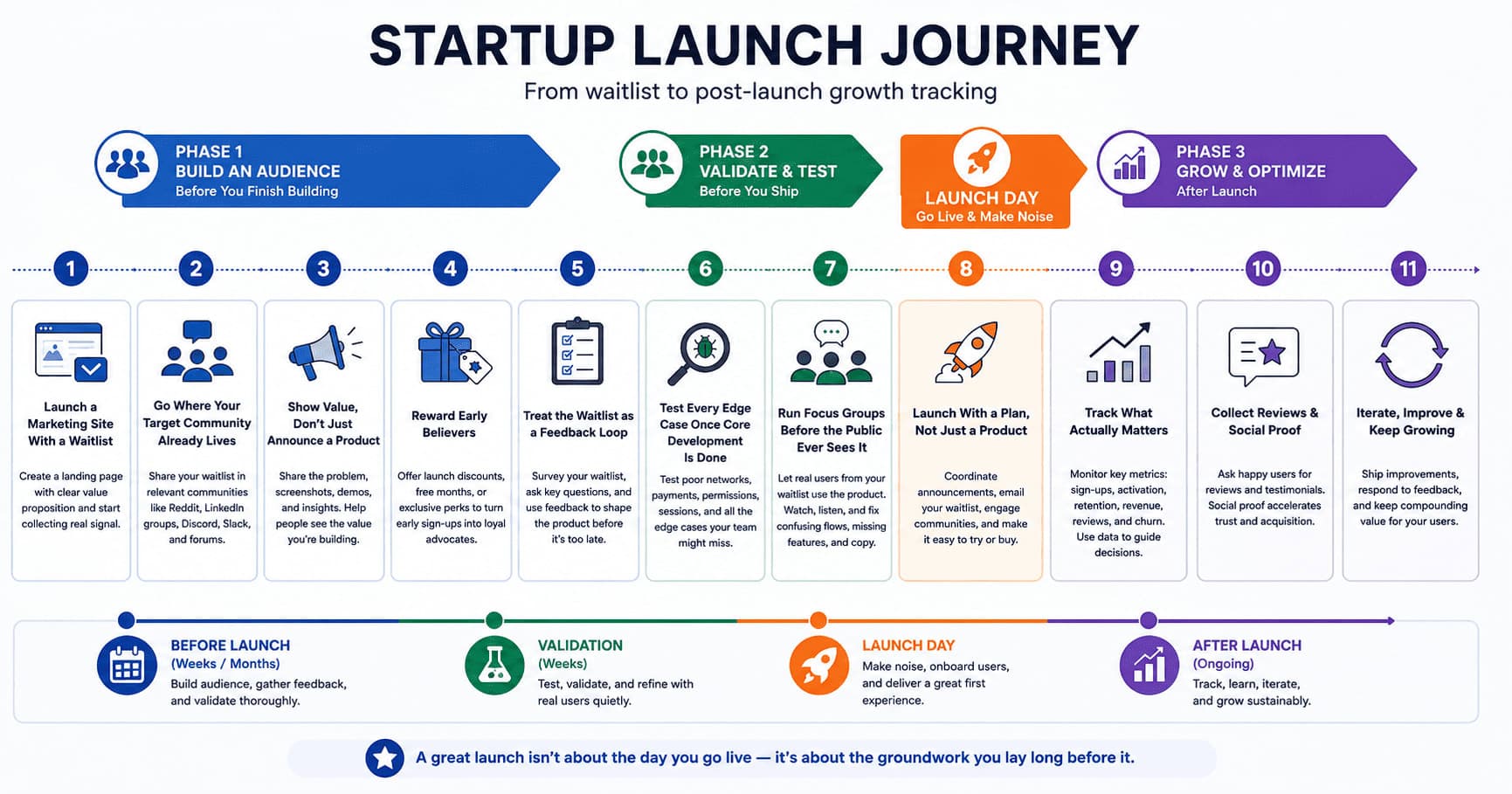
Ask about the warranty period for bugs, ongoing maintenance options, and who handles hosting, monitoring, and backups. Launch day is the start, not the finish. See our launch playbook.
12. "What would you advise me not to build?"
This is the most revealing question. A good partner pushes back on features that won't pay off. An agency that agrees to everything is optimising for invoice size, not your outcome.
Questions to Ask Before You Sign the Contract
The call went well and the proposal arrived. Before you sign, check that the contract itself answers these — a verbal "yes" on the call isn't enough:
Is the scope written down feature by feature, with what's out of scope listed too?
Does the contract say you own the code and IP, and when ownership transfers?
Are payments tied to delivered milestones you can test, not to dates?
How long is the bug-fix warranty after launch, and what counts as a bug?
What happens if either side ends the project early — do you get the code and access built so far?
Who signs any confidentiality agreement, and does it cover the developers as well as the company?
What Founders Wish They'd Known Before Hiring an Agency
When we ask clients who come to us after a bad first agency what they'd do differently, the answer is almost always the same: they'd have insisted on owning the accounts from day one, and on seeing working software every week. Most failed projects didn't fail because the developers couldn't code. They failed because nobody noticed the project drifting until months of budget were gone, and then the client couldn't move the code because it lived in someone else's accounts.
Choosing an App Development Company in India
If you're hiring in India, the same 12 questions apply, plus three that matter more with an offshore partner: how many hours overlap with your working day, whether the people on your calls are the people writing the code, and whether they've shipped apps to the store you care about. India is Android-heavy, so a team that has only shipped Android apps may have less experience with App Store review. Ask for live listings on both stores. For a deeper look at costs and hiring models, read our Flutter app cost breakdown for India.
Red flags
Accounts, code, or domains held in the agency's name
No itemised estimate, or a price that's far below every other quote
No live work you can try yourself
Reluctance to let you talk to the developers or past clients
"Yes" to every feature request, with no questions asked
What questions should I ask a software development agency?
Ask to see live work similar to yours, who will write the code, whether you can speak to a past client, who owns the code and accounts, how the estimate was built, how scope changes are priced, what's not included, how often you'll see working software, how they test, what happens after launch, and what they'd advise you not to build.
How do I choose an app development company?
Shortlist teams with live apps on the stores in a similar category, run the 12 questions above on a call, and compare itemised quotes against the same written scope. If you can, start with a small paid first phase before committing to the full build.
What are the red flags when hiring a development agency?
Accounts or code held in the agency's name, no itemised estimate, a price far below every other quote, no live work you can try, not letting you speak to the developers or past clients, agreeing to every feature without questions, and no written plan for support after launch.
Should I hire a freelancer or an agency?
A freelancer can be the better choice for a small, well-defined job when you can manage the project yourself. An agency is safer for a full product that needs design, a backend, QA, and store submission, with one team accountable for the result.