A tenant portal is where renting either feels simple or turns into phone calls. When applications come in by email, leases are signed on paper, and rent is chased over WhatsApp, every tenant question lands on your office. A good tenant app moves those steps into one self-serve flow, so tenants can do the routine things themselves and your team handles the exceptions.
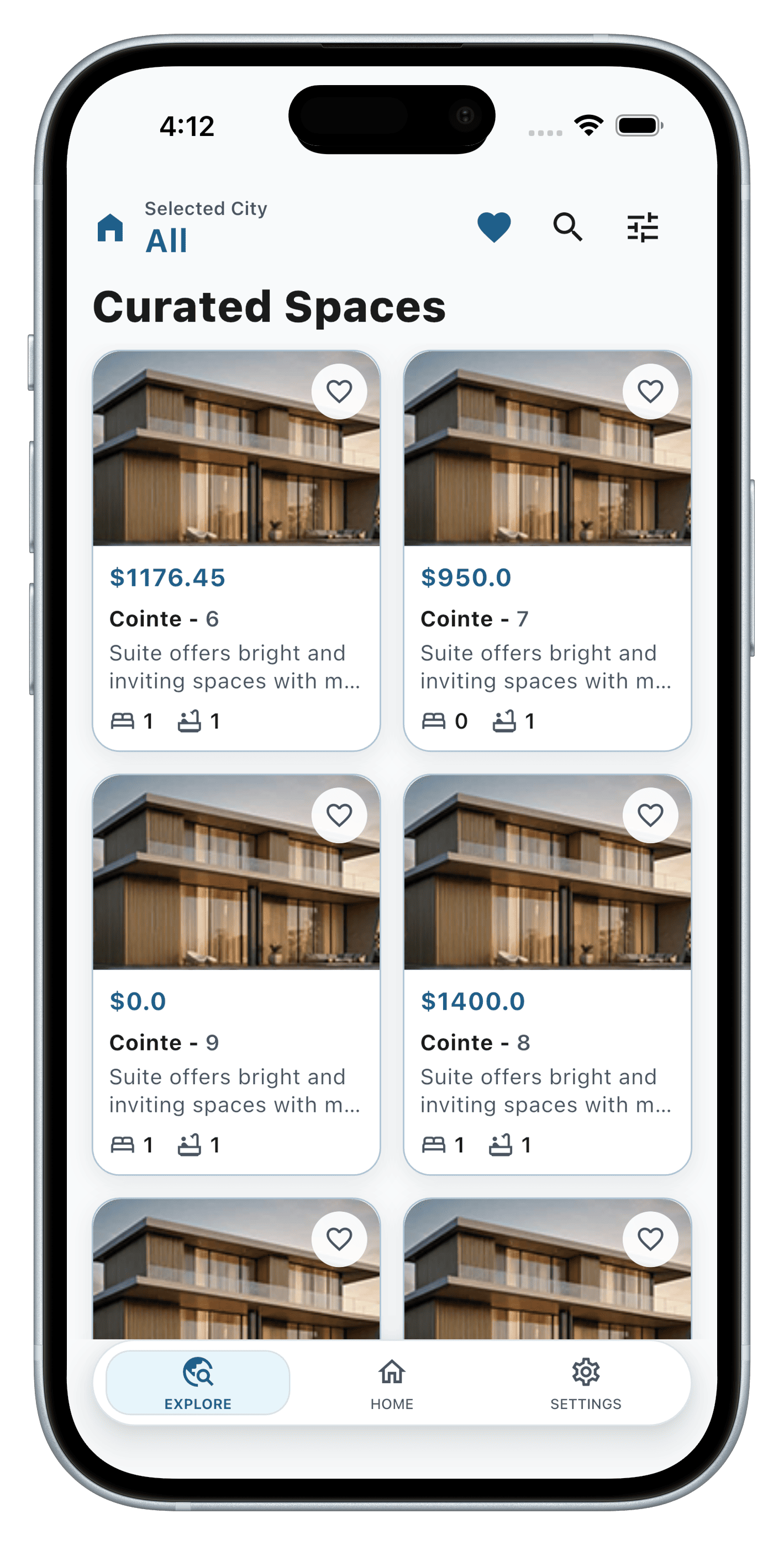
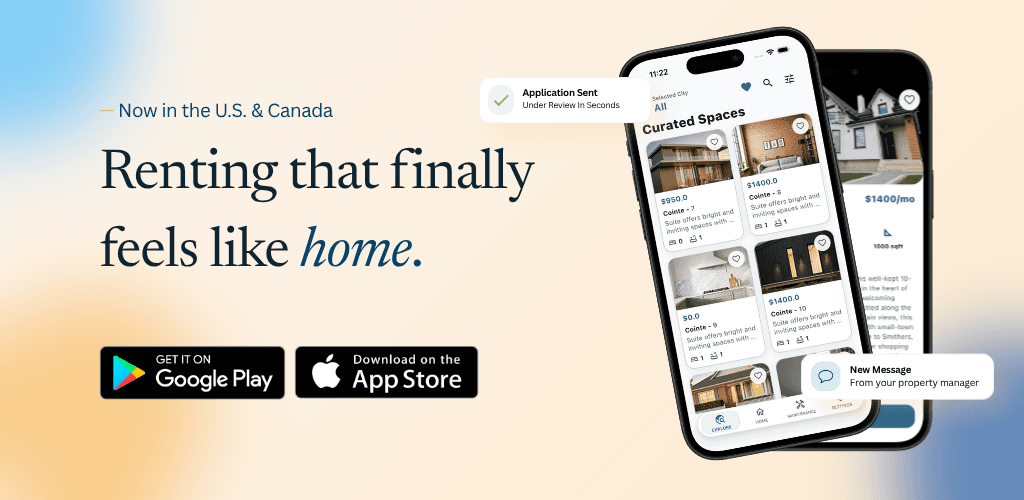
We built exactly this for RentEra Tenant, the tenant-facing app of the RentEra property management platform. It follows one thread from start to finish: explore, apply, sign, pay, live.
What a tenant portal should handle
- Applications: search listings and apply with a co-applicant in one flow, with admin review and approval.
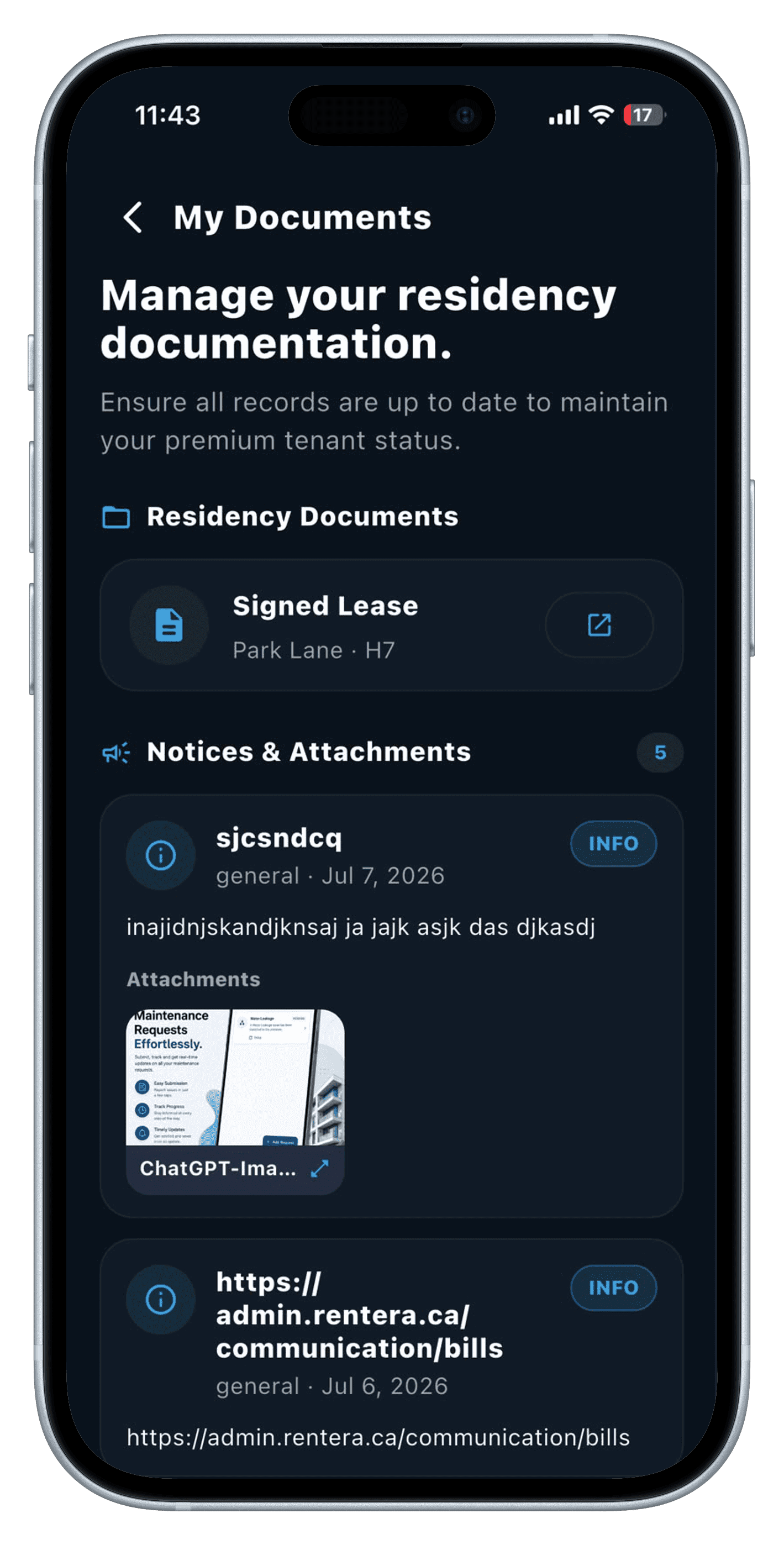
- Lease e-signing: the approved lease goes straight to the tenant and co-applicant to sign in the app.
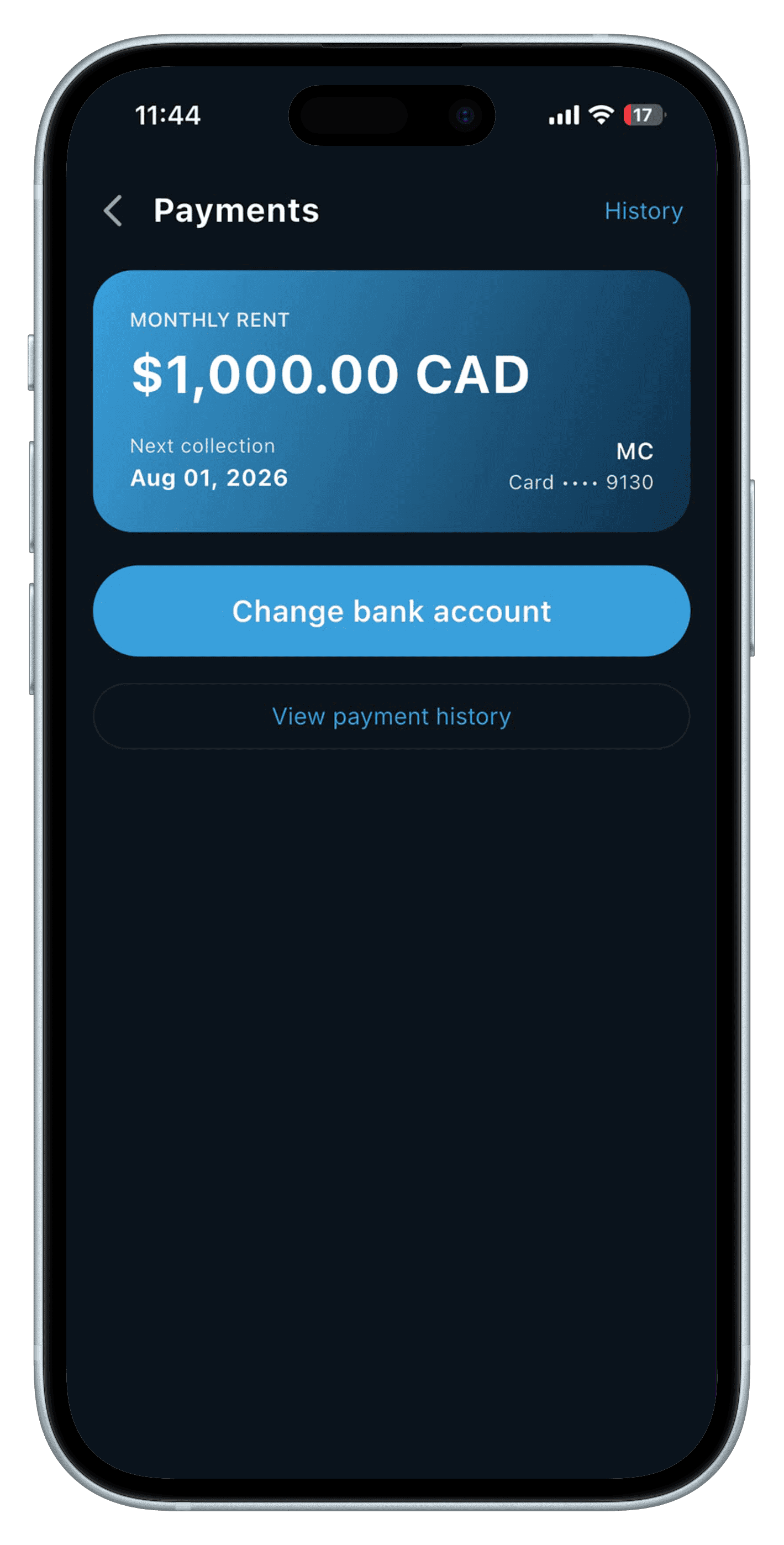
- Rent collection: tenants authorize rent once and reuse saved payment methods for bills.
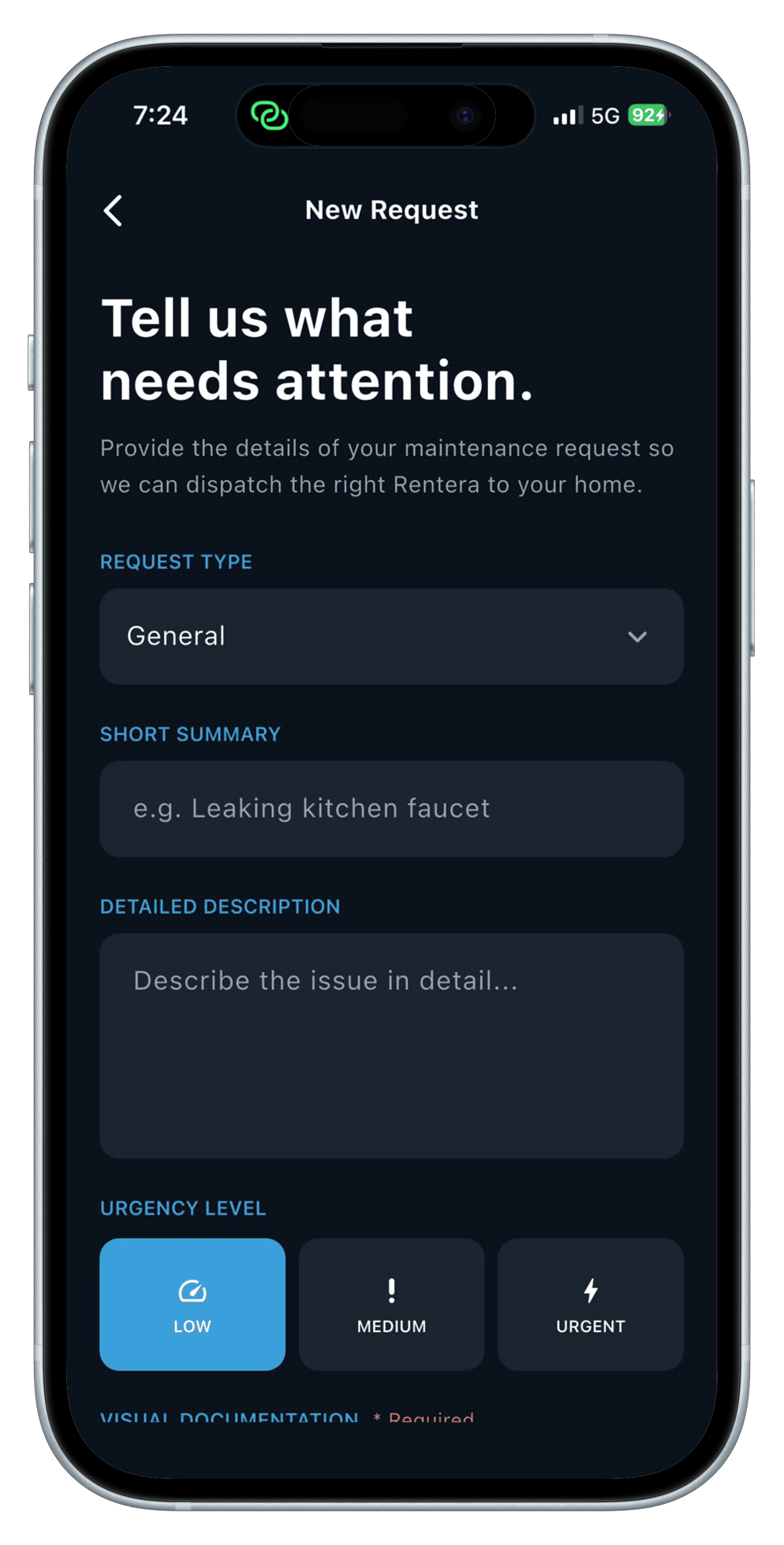
- Maintenance requests: raise a request, follow it to a staff visit, and approve completion.
- Notices and chat: notices from management and a direct line to the property manager.
- Moving units: an existing tenant applies for a new unit and transfers without starting over.
Payments and e-signing for your market
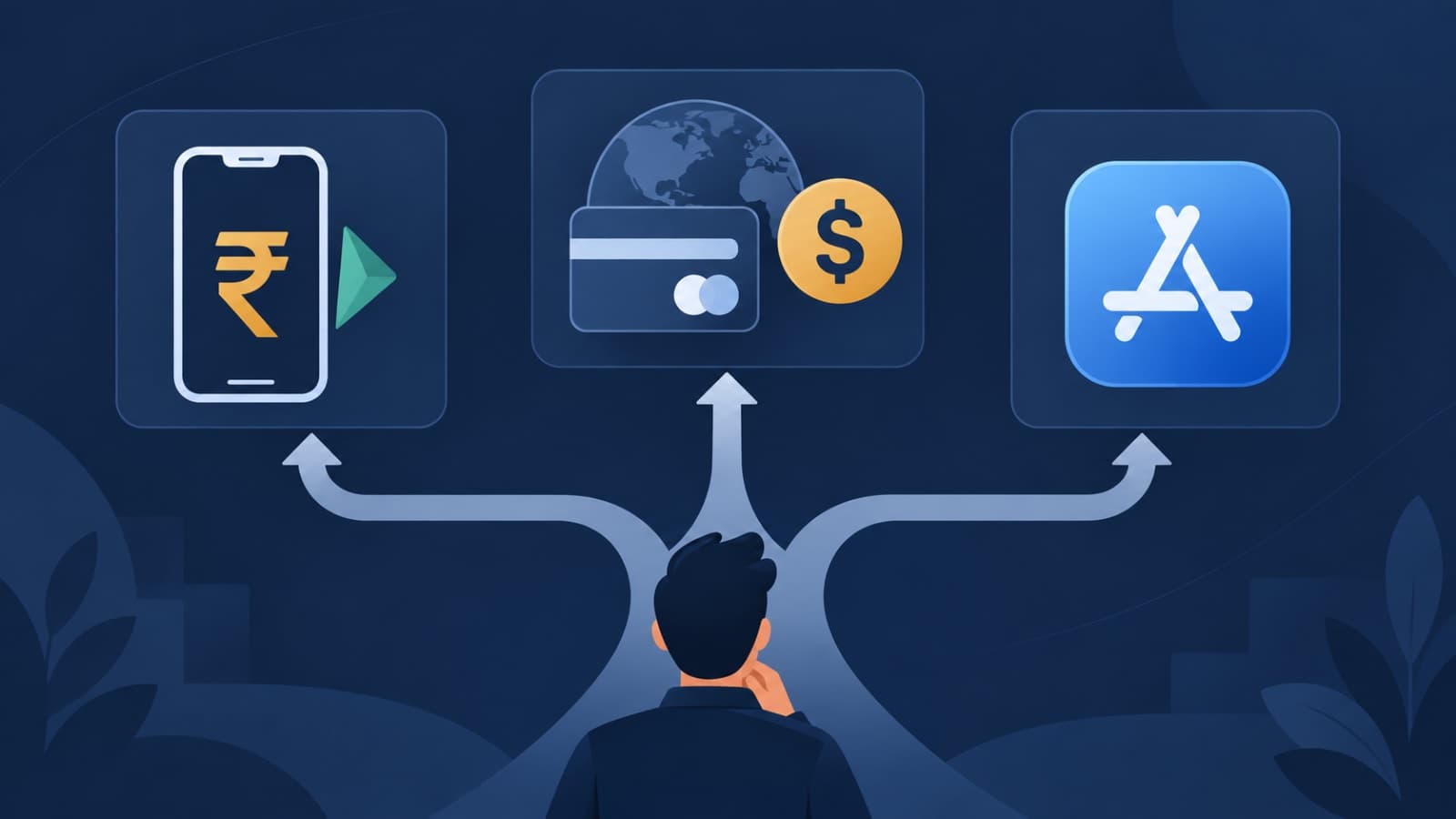
RentEra uses DocuSeal for lease signing and Helcim for card and ACH/EFT payments, which suit North America. In India, the same flow works with Razorpay, including UPI and UPI Autopay for recurring rent. We integrate the providers your tenants already use rather than forcing one stack.
What drives the scope
- Which steps go online first: rent collection alone is a much smaller build than applications, leasing, and payments together.
- Payment setup: one-time payments, saved methods, and recurring authorization each add work and testing.
- Lease documents: fixed templates are simpler than leases that vary by property or region.
- Connection to your back office: the tenant app is only useful if staff and admins see the same lease and payment state. In RentEra, the staff app and admin tools share one backend with the tenant app.
How we build it
We build tenant apps in Flutter for Android and iOS from one codebase, on a Node.js and TypeScript backend. A focused first version, usually rent collection plus maintenance requests, ships before the full leasing flow. Read our guide to tenant and rent management app development for the detail.