Why Phone-Based Cargo Booking Is Costing Tier-2 Logistics Businesses Customers
Phone-based cargo dispatch works until volume grows. Here's what it's quietly costing Tier-2 and Tier-3 logistics businesses, and what a real-time booking platform looks like.
Case Studylogisticscargodispatch softwarecase study2 min read·
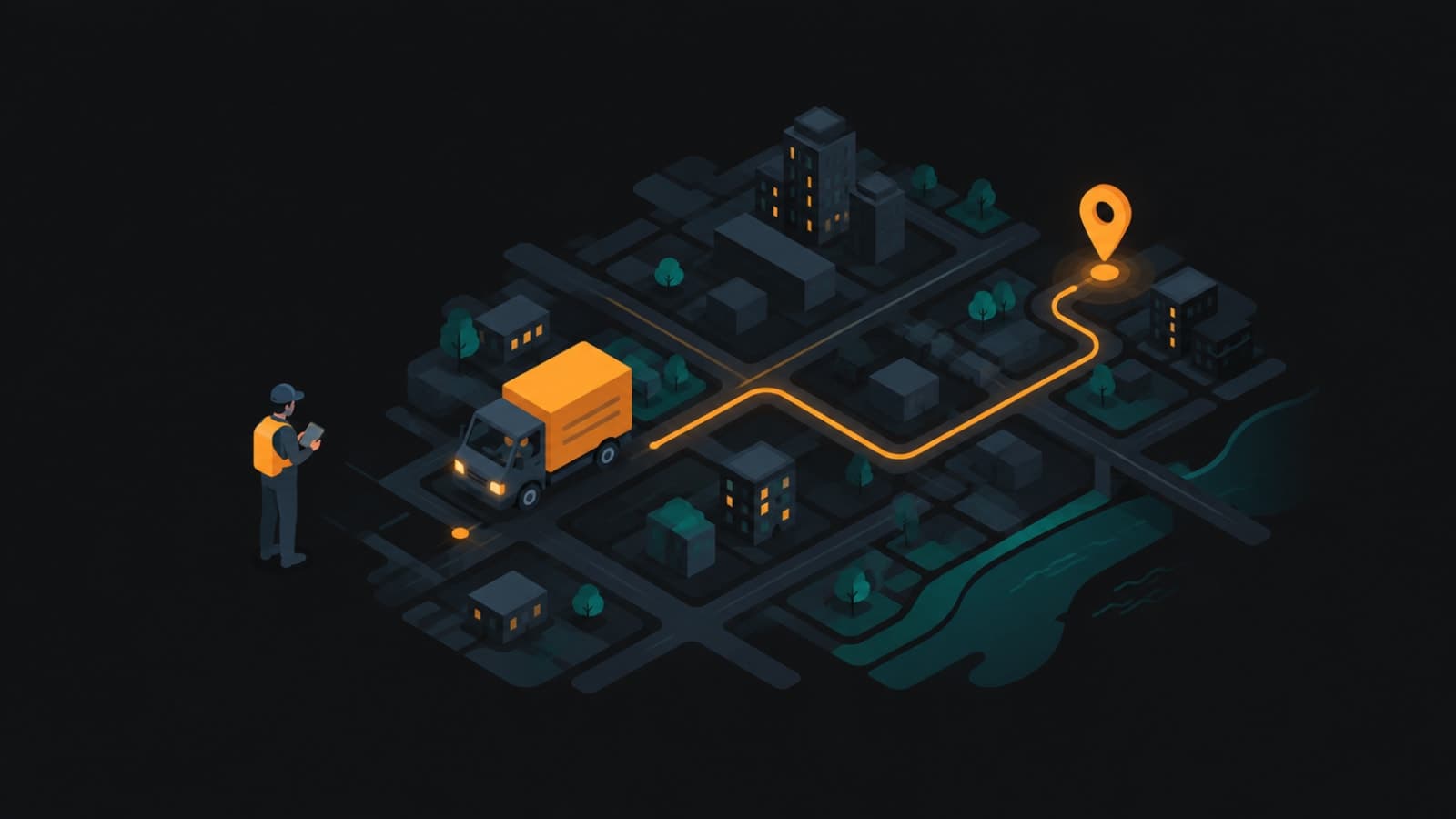
In most Tier-2 and Tier-3 logistics markets, a cargo booking still starts with a phone call. The customer describes what needs to move and where, someone writes it on a register or a notepad, and a driver gets assigned by whoever's free — or whoever the dispatcher remembers is nearby. It works, until volume grows past what one person can hold in their head.
What phone-based dispatch actually costs you
The problems don't show up as one big failure. They show up as a slow, steady leak of trust and revenue:
No booking record. If a call gets missed or a note gets lost, there's no trace — the customer just experiences a no-show.
No live visibility. A customer who's handed off a shipment has no way to know where it is, so every status update is another phone call into your dispatch line.
Manual driver assignment doesn't scale. Matching the nearest available driver to a new booking by memory works at 10 trips a day. It falls apart at 100.
Multi-stop and scheduled orders are hard to manage on paper. A booking with three pickups and two drop-offs, or one scheduled for next week, needs a system — not a notepad entry.
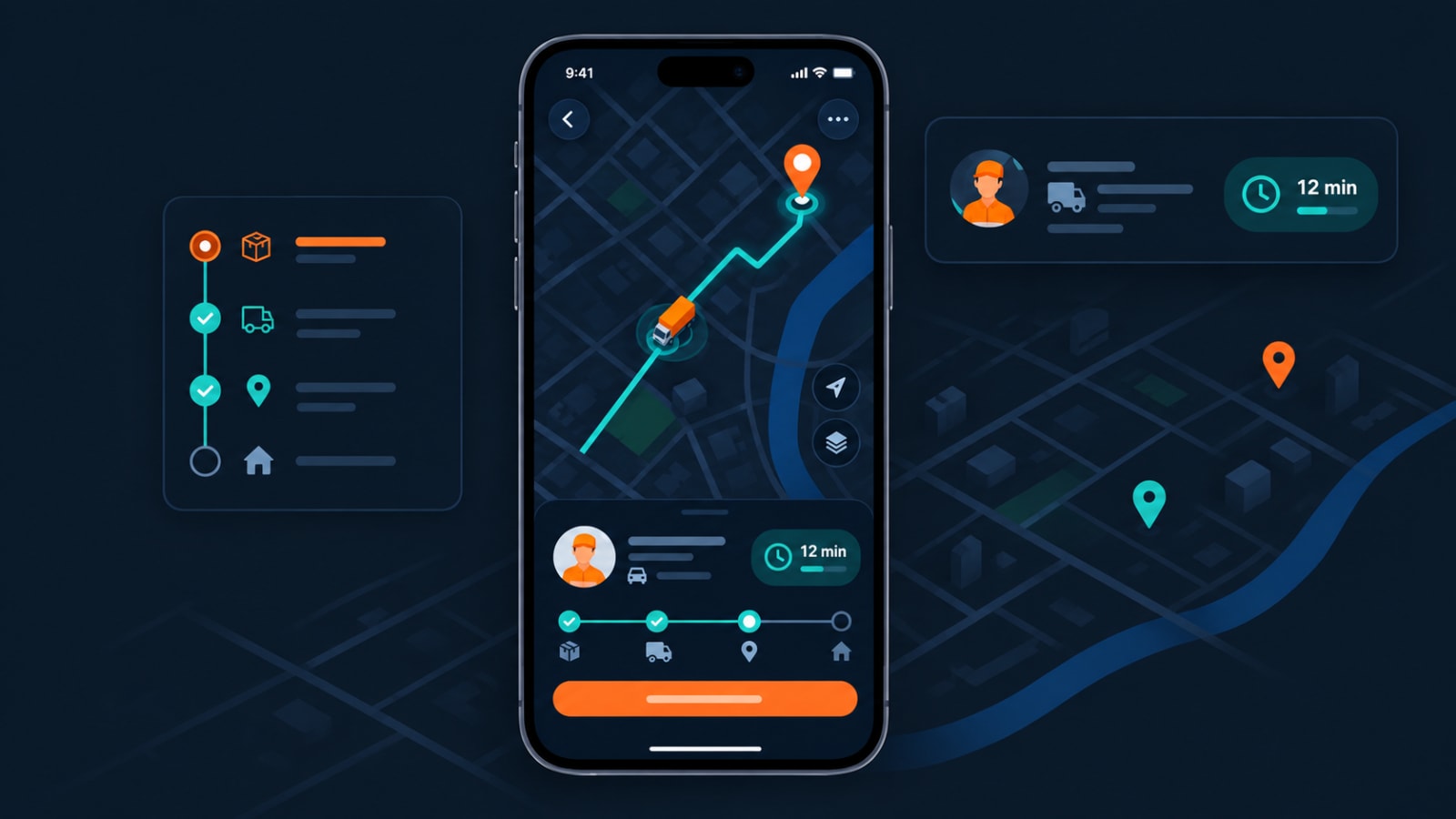
Real-time driver assignment and tracking, instead of a phone call for every status update.
What a modern cargo platform needs to do
Let customers book directly — app or web — without needing to call and wait for someone to be available
Assign drivers automatically based on real proximity, not memory
Give customers live order tracking, so status updates stop being inbound phone calls
Support multi-stop bookings, scheduled orders, and dynamic pricing without extra manual work per trip
What this looks like built
This is the exact system we built for Bhaada — an on-demand cargo logistics platform running across Kanpur, Lucknow, and Unnao, with an operations portal, a customer app, and a driver-partner app (Bhaada Buddy), all backed by one real-time system. Driver assignment runs on an H3 grid-based matching model instead of a dispatcher's memory, and customers can see exactly where their shipment is at any point.
If your logistics business is still running dispatch by phone and notepad, it's worth seeing what a real-time platform changes about how customers experience your service. Get in touch to talk through what that would look like for your operation.