Trial, Active, Past Due, Canceled: The Hidden State Machine Behind Every Subscription
A subscription looks like a toggle switch — paying or not. In production it's a state machine with a dozen transitions, and most billing bugs live in the ones nobody designed for.
Engineeringsaas-subscription-lifecyclesubscription-state-managementbilling-architecturedunningsaas-development6 min read·Sep 15, 2026
On the surface, a subscription looks like a toggle switch: on or off, paying or not paying. That's how it's usually described in a product spec, and it's also why so many teams under-build it. In reality, a subscription is a state machine with a dozen possible transitions, and almost every serious billing bug traces back to a transition nobody explicitly designed for.
Trial, Active, Past Due, Canceled — and everything hiding between them
Most product specs list four states and call it done. The real list, once you account for how payment providers actually behave, is longer:
Trialing — using the product, no card charged yet (or authorized but not captured).
Active — paid, current, in good standing.
Past due — a renewal charge failed and the subscription is inside its grace period.
Canceled — stopped deliberately, either immediately or at the end of the current period.
Expired — the grace period or trial ran out with no successful payment.
Paused — billing suspended at the customer's request, access typically preserved.
Incomplete — checkout started but the first payment never confirmed.
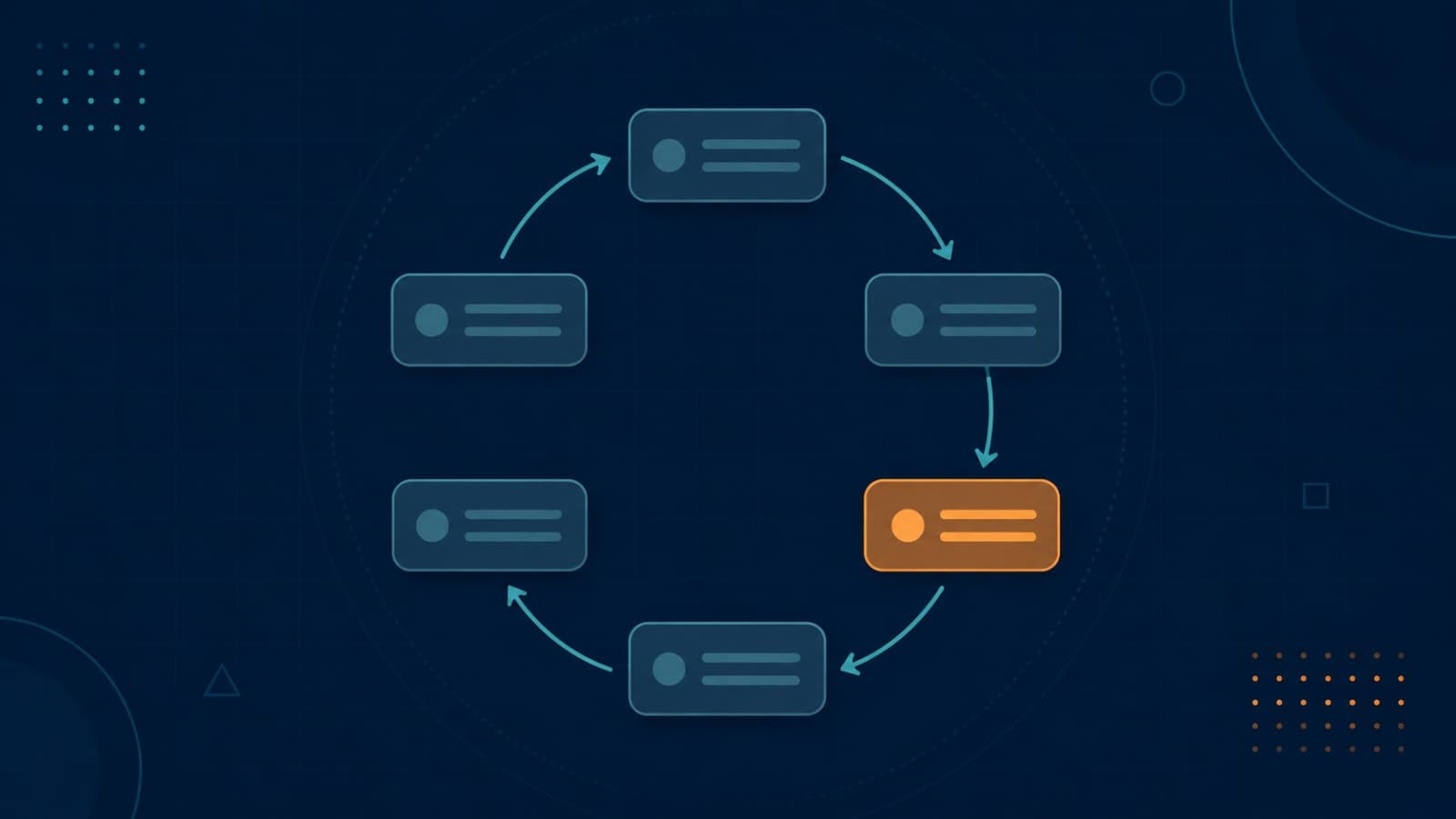
Every one of these is a real, distinct state your product has to render correctly — the right banner, the right access level, the right email — and every arrow between them is a transition your backend has to handle on purpose, not by accident.
Why founders underestimate this
In a demo, a subscription only ever goes one direction: trial to active. Nobody demos a failed card, a mid-cycle plan downgrade, or a customer who cancels and resubscribes eleven days later. But in production, at any real scale, those "edge cases" are a meaningful share of your subscriber base every single month — and how your system handles them determines whether your revenue numbers can be trusted.
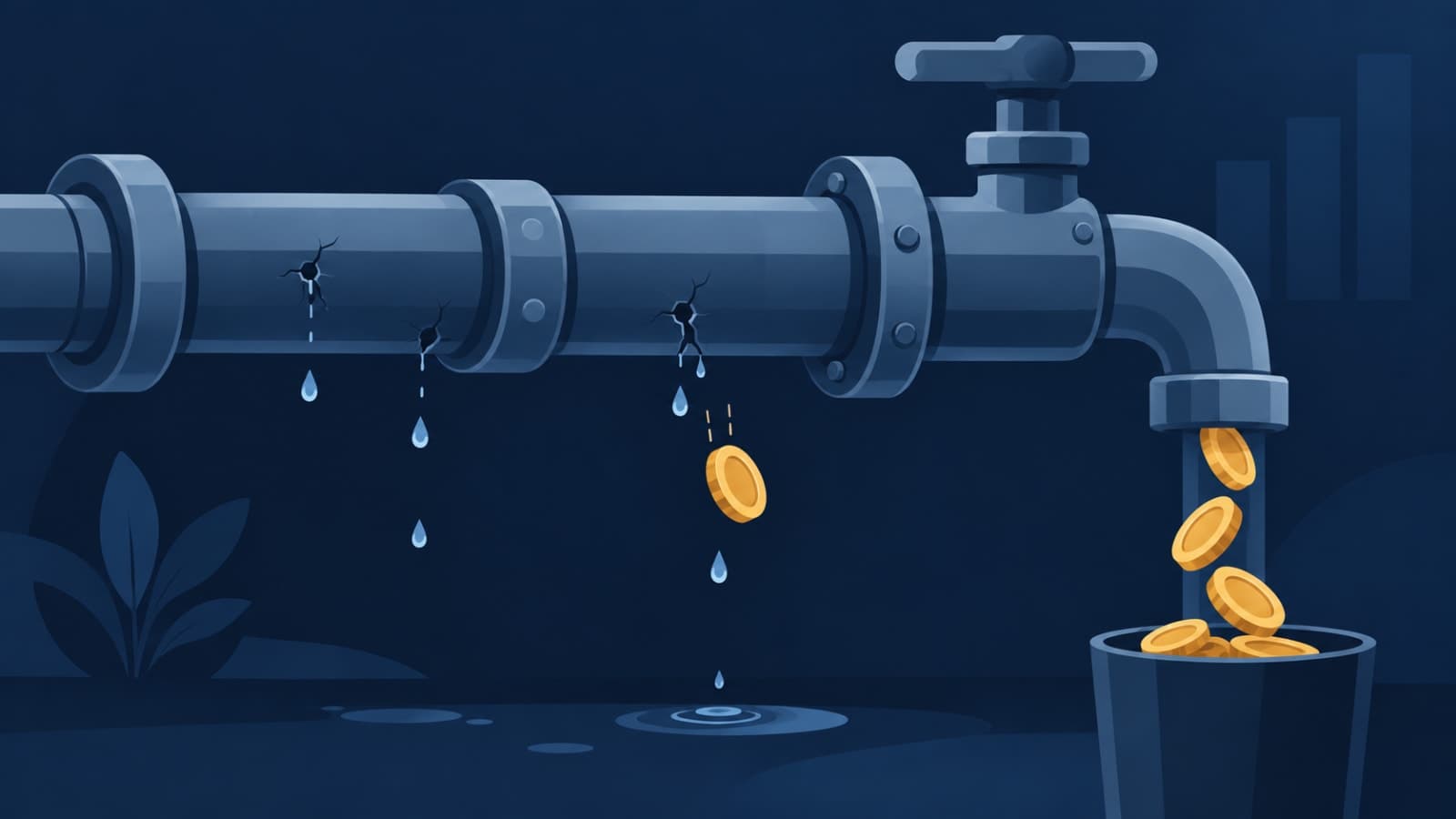
We wrote about the financial side of this gap in where your subscription revenue quietly leaks: proration mismatches, failed-payment churn, and out-of-order webhooks all trace back to the same root cause — a subscription state machine that wasn't fully mapped out before launch. This post is the state machine itself; that one is what happens financially when it's wrong.
The transitions that actually break things
Trial to active
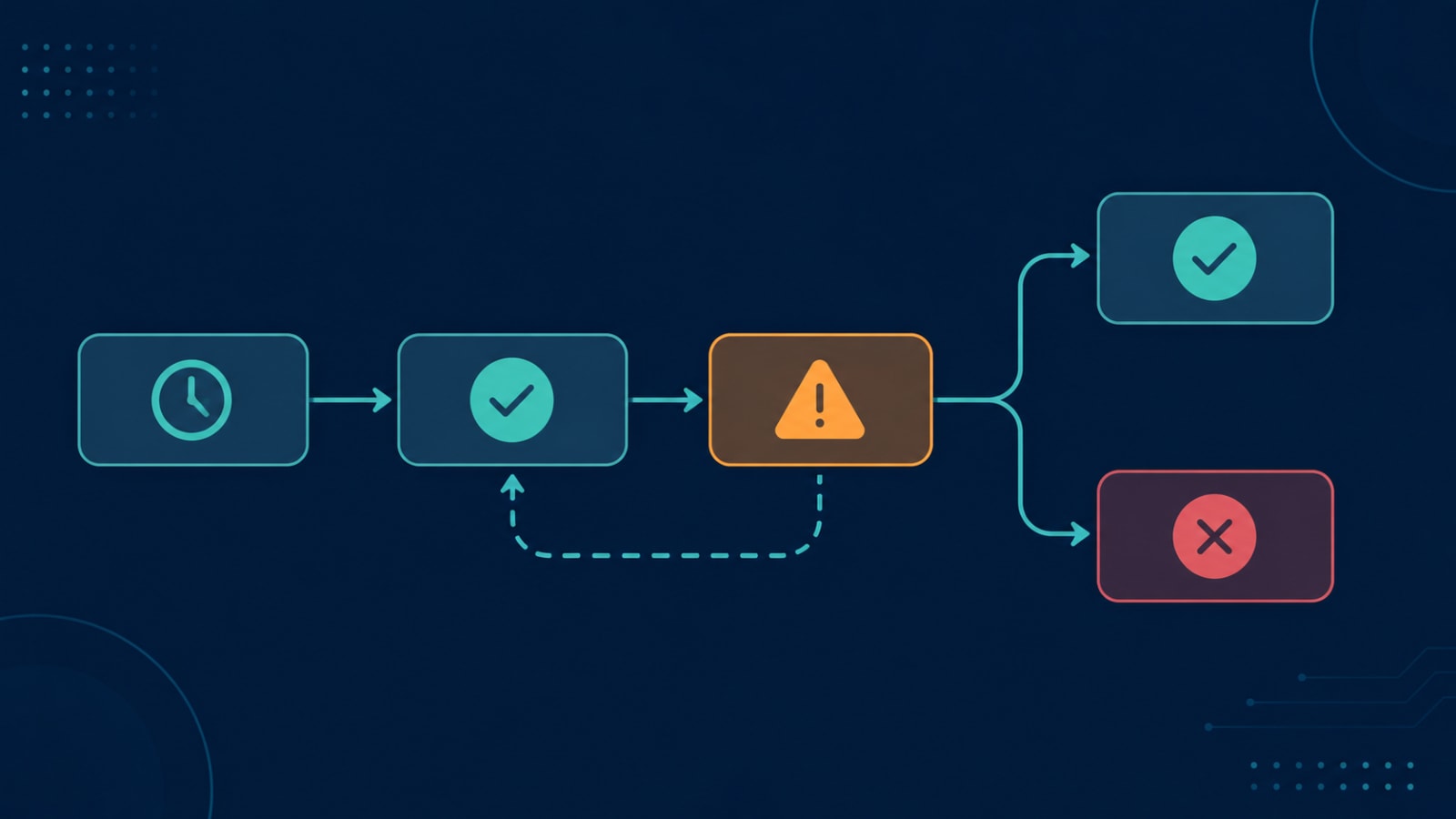
Sounds simple: trial ends, card gets charged, subscription goes active. But what happens if there's no payment method on file when the trial ends? What if the card is valid but the charge fails? A well-designed system distinguishes "trial ended, needs payment method" from "trial ended, payment attempted and failed" — they need different messaging and different urgency.
Active to past due
This is where dunning — the process of retrying a failed payment — lives. A recurring charge fails, and instead of canceling immediately, the subscription enters a grace period with scheduled retries. Access usually stays on during this window, but the customer needs to see a clear, actionable prompt to update their payment method, not just silence until they're suddenly locked out.
Past due back to active, or on to canceled
If a retry succeeds, the subscription needs to snap cleanly back to active with no residual "past due" flags lingering in the UI or in downstream systems like your CRM. If every retry in the grace period fails, it needs to move to canceled or expired — and every system that granted access based on subscription status needs to hear about that change the same day, not whenever the next batch job happens to run.
Canceled, but not really gone
"Cancel at period end" is its own state, distinct from an immediate cancellation — the customer keeps access until the period they already paid for runs out. Treating these two as the same thing is one of the more common bugs we see: it either cuts off access customers already paid for, or keeps billing someone who explicitly canceled.
The subscription lifecycle has more real states — and more transitions — than a typical product spec accounts for.
Why this connects straight back to payments and data consistency
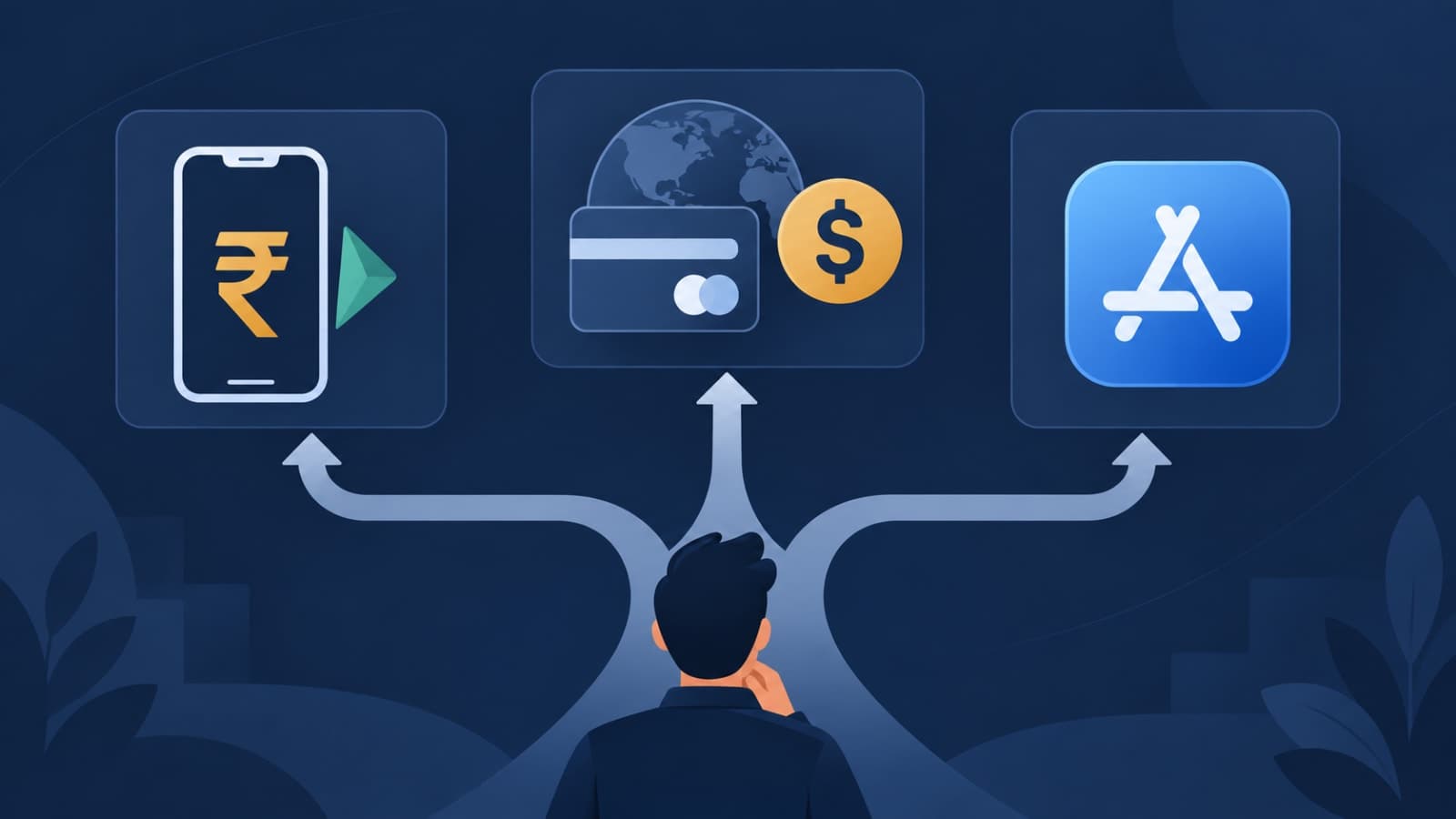
Subscription state doesn't live in one place. It's referenced by your access-control checks, your billing provider's webhooks, your CRM, and often a support dashboard — and all of them need to agree, at the same moment, on what state a given subscriber is actually in. That's the same underlying challenge we covered in what actually happens when someone logs into your app and in ACID transactions, explained without the textbook definition: a subscription state change has to be a single, atomic, durable update — not three separate writes that can drift out of sync if one of them fails midway. Your choice of payment rail also shapes how many of these states you have to handle yourself versus how much the provider manages for you, which we broke down in Razorpay vs Stripe vs IAP.
A practical checklist before you ship subscription billing
Map every state your billing provider can send you — not just the four you assumed existed.
Decide, in writing, what access level each state grants — especially past due and paused.
Treat every state change as a webhook-driven event, not a polling check your app runs occasionally.
Distinguish “cancel now” from “cancel at period end” everywhere in your system, including support tooling.
Log every transition with a timestamp and cause, so a support ticket about “why was I charged/locked out” has a real answer.
Make state changes atomic across your database and any system that depends on it, so nothing can go out of sync mid-update.
How We Approach This at Fall Rise
When we build subscription billing, we map the full state machine — every state, every transition, every webhook — before writing the checkout screen, because retrofitting dunning logic or grace periods onto a system that only ever expected "active" or "canceled" is far more expensive than designing for it up front. This is core to our SaaS development and backend and API development work, and it's the same discipline we bring to custom software with any kind of recurring billing or entitlement logic.
If your subscription logic has started to feel held together with special cases, we'd be glad to take a look. Get in touch and we'll map it out with you.