Why HVAC, Plumbing, and Electrical Businesses Still Run Dispatch on Paper — and What It Costs Them
HVAC, plumbing, and electrical businesses running dispatch on paper lose more than they realize — in delayed billing, missed follow-ups, and technician time. Here's what changes with a real system.
Case Studyfield servicetrades businessesdispatch softwarecase study2 min read·
Most HVAC, plumbing, and electrical businesses still run their day the same way: a paper job sheet handed to a technician in the morning, a phone call if something changes, and an invoice written up hours — sometimes days — after the job is actually done. It's familiar, and it's also where a lot of revenue quietly leaks out.
What paper-based dispatch actually costs
No real-time technician visibility. Dispatch has no way to know who's free right now, so the nearest available technician for an urgent call is a guess, not a lookup.
Billing happens after the fact. If invoicing depends on a technician remembering to write up the job and someone in the office keying it in later, delayed billing becomes normal — and delayed billing means delayed cash flow.
Follow-ups get missed. Without a system tracking job status end to end, a job that needs a return visit or a part on order is easy to lose track of.
Customers get no visibility either. A customer waiting for a technician has no ETA and no record — just a phone call to check status, adding load back onto the office.
Jobs closed out and billed from the field, not days later back at the office.
What a field service system actually needs to do
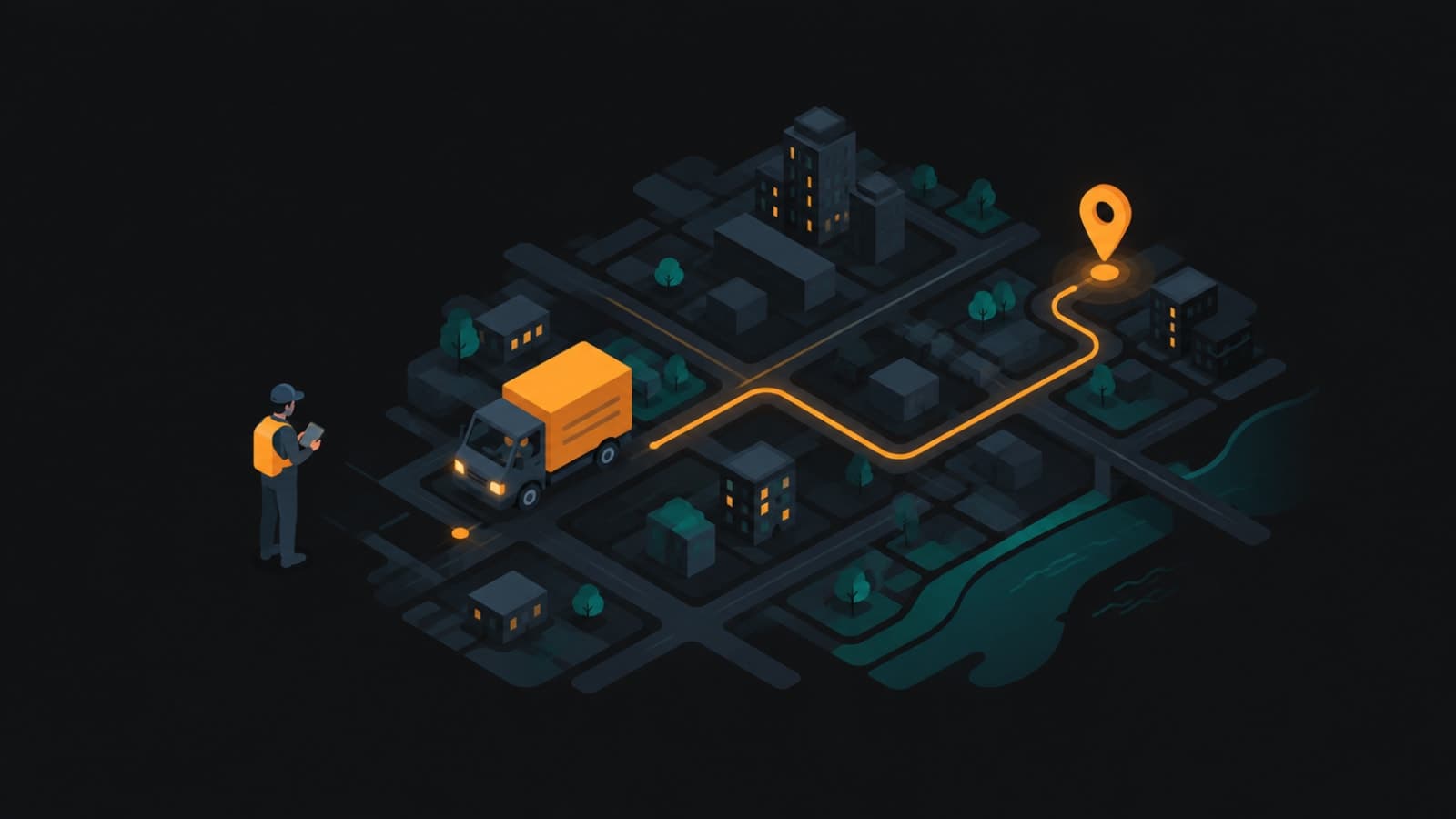
Give dispatch a real-time view of technician location and availability for faster, more accurate assignment
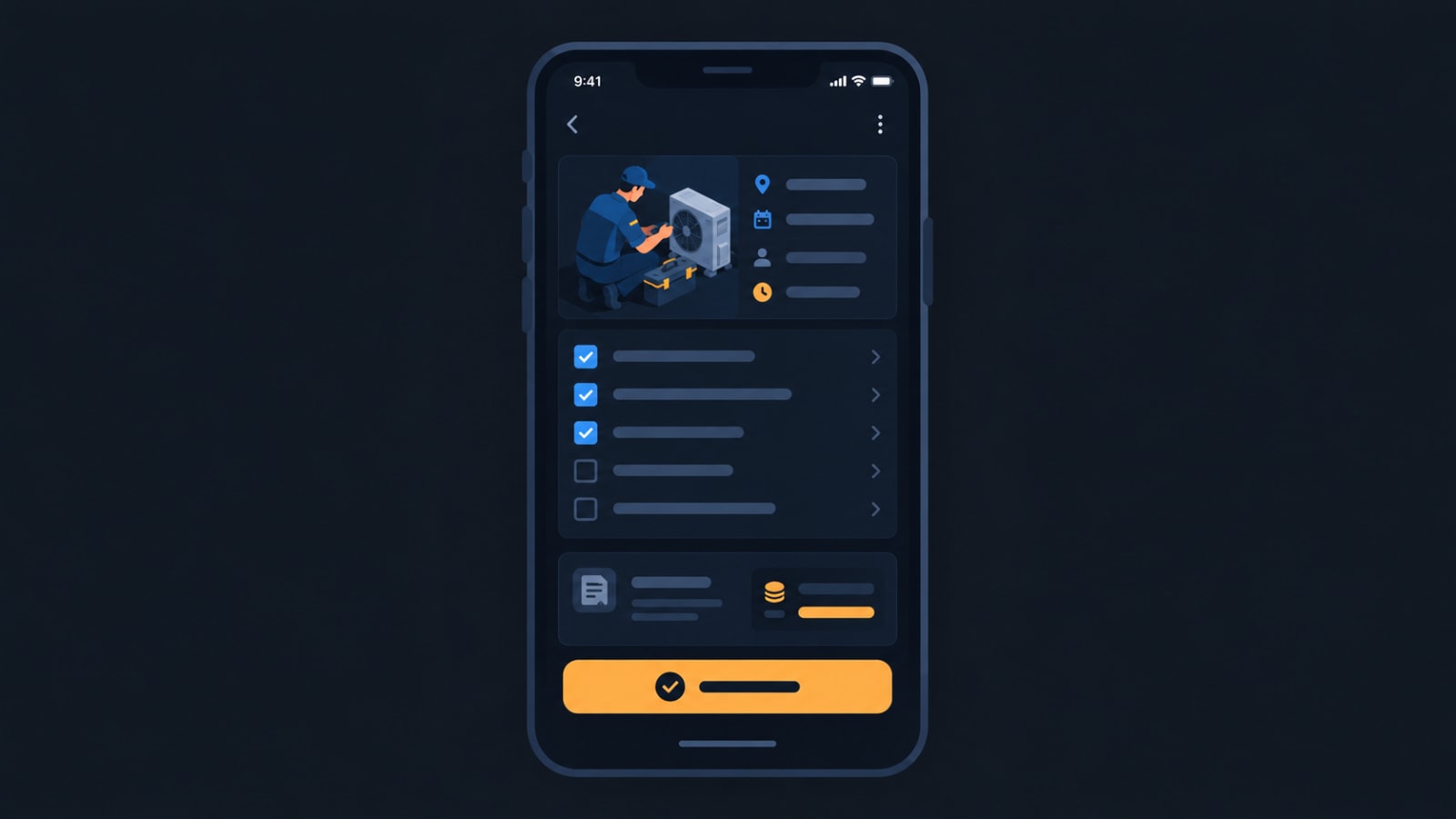
Let technicians close out jobs — including billing — from the field, not after they're back at the office
Track every job through to completion, including ones that need follow-up, without relying on memory
Give customers a portal for quotes, status, and payment instead of a phone line
What this looks like built
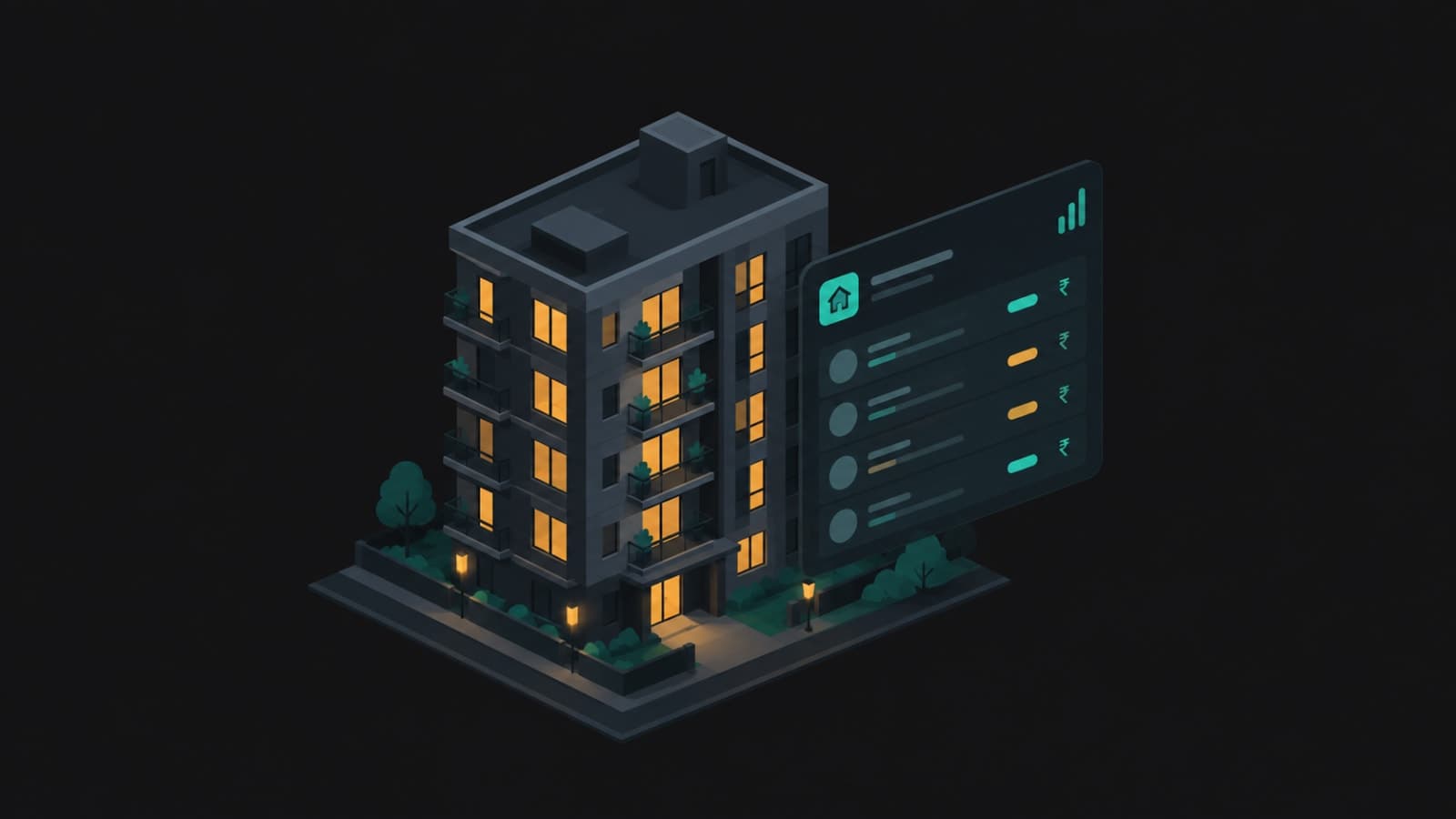
This is what we built with FieldOps — a field service management platform for trades businesses with an admin dashboard for dispatch and billing, a technician app for on-site work, and a customer portal for quotes and payment. Jobs get billed the moment they're closed out, not whenever someone gets around to the paperwork.
If your business is still running dispatch and billing on paper, the delay between a job finishing and it actually getting invoiced is worth putting a number on. Get in touch to talk through what a field service system would look like for your team.