
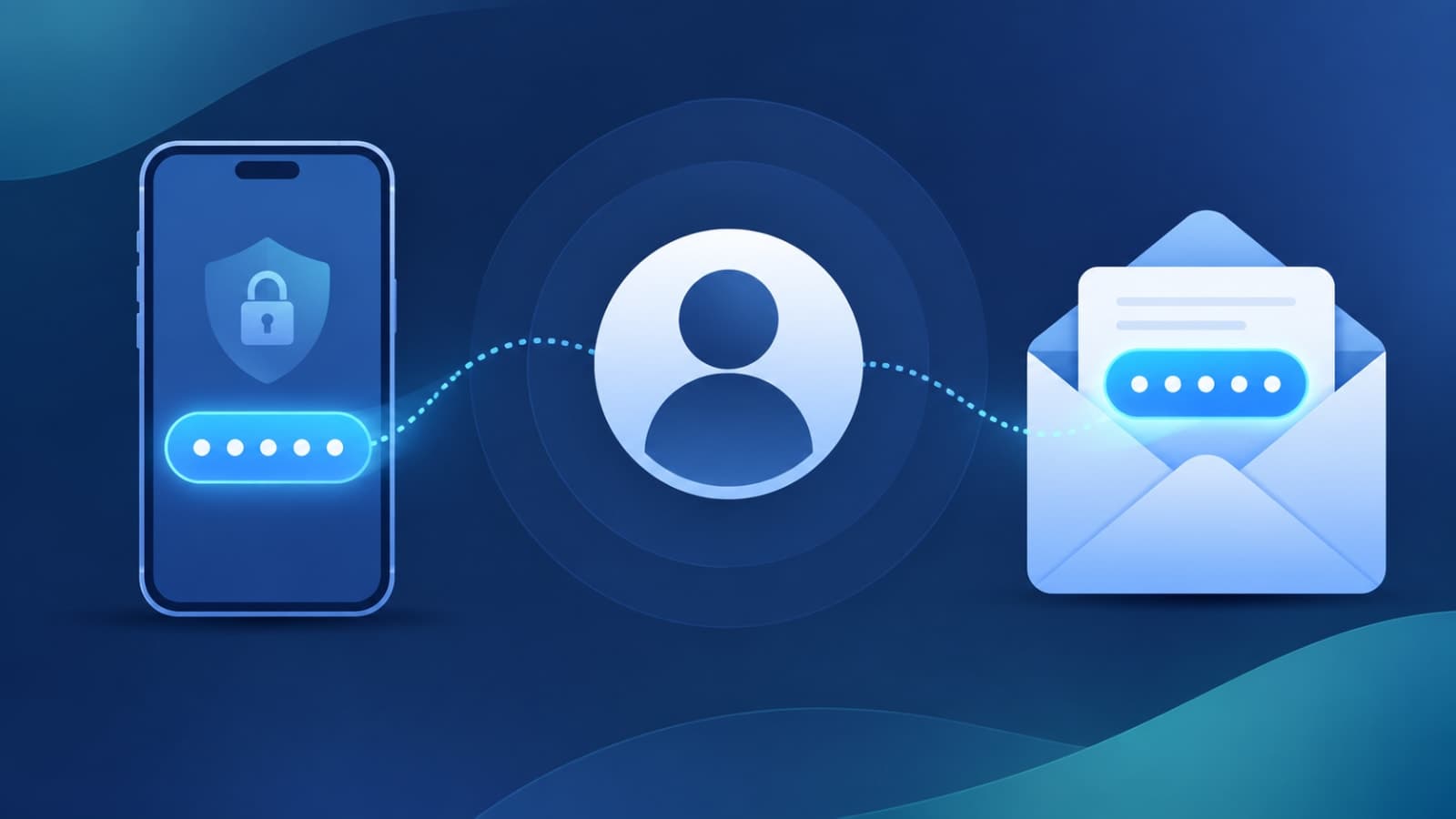
Why Verification Deserves a Real Decision, Not a Default
Every signup form silently makes a trust decision. Skip verification entirely and you inherit fake accounts, typo'd contact details, and support tickets from users who never receive a password reset. Over-verify — forcing both email and SMS confirmation before someone sees any value — and a chunk of otherwise-interested users abandon the form before they ever open the app. The right approach depends on what you're protecting: a content app cares less about identity than a fintech or logistics platform moving money or goods. Getting this one decision right early avoids a rebuild later, and it directly affects a line item most founders underestimate — the ongoing per-message cost of sending codes.The Three Ways Apps Verify a User
Almost every verification flow reduces to one of three patterns, and most products end up combining two of them.- SMS OTP — a one-time code texted to a phone number. The most familiar pattern to users, and the most expensive to run at scale.
- Email OTP or verification link — a code or a clickable link sent to an inbox. Cheaper than SMS, but slower and more likely to land in spam if the sending setup isn't configured properly.
- WhatsApp OTP — a code delivered through a WhatsApp Business template. Often the cheapest channel per message in markets like India, and increasingly the default for consumer apps.
Phone Verification Tools Compared
For SMS and voice OTP, the tools founders actually shortlist fall into two camps: global CPaaS platforms, and regional specialists that undercut them sharply on price.- Firebase Authentication — the easiest starting point if you're already using Firebase, since phone auth is built into the SDK. Every SMS is billed individually once you're past a small daily free allowance, and pricing varies enormously by country, from roughly a cent per message in the US to well over forty cents in some regions.
- Twilio Verify — the most feature-complete option, handling SMS, voice, WhatsApp, email, and fraud protection behind one API. It charges a flat per-successful-verification fee on top of the underlying message cost, which is convenient at low volume but often ends up several times larger than the message itself once you're sending real volume.
- MSG91 — the default choice for India-first products. It prices per message rather than per verification, runs noticeably cheaper than the global platforms for Indian numbers, and is already the OTP provider behind several large Indian consumer apps, which says something about its delivery reliability on local carriers.
- Plivo — a lean alternative with no separate verification fee at all; you pay only for the SMS or voice call itself. The trade-off is a narrower feature set — no built-in email or authenticator-app verification — which is fine if all you need is SMS.
Email Verification Tools Compared
Email OTPs and verification links should always go through a transactional email provider, not the same tool you use for newsletters — marketing senders get rate-limited and filtered in ways that delay a time-sensitive code.- Amazon SES — the cheapest option per email by a wide margin, and the natural choice if you're already running on AWS. The trade-off is that deliverability, retries, and monitoring are largely your team's responsibility to configure.
- Postmark — built specifically for transactional mail, with a strict no-marketing-traffic policy that keeps its sending reputation clean. Consistently among the fastest for time-sensitive codes, which matters when a user is sitting on your signup screen waiting.
- Resend — the newer, developer-friendly option, particularly popular with teams building on React or Next.js. It includes a permanent free tier for low volume, which makes it a sensible default for an early-stage MVP.
- SendGrid — the enterprise-standard choice, especially for teams already using other Twilio products. It costs more than SES at the same volume but bundles more tooling around deliverability monitoring and templates.
SMS vs Email vs WhatsApp: Which Should You Actually Use?
Instead of picking a single channel, most products that get this right use a short decision sequence:- If the account controls money, goods, or sensitive data, verify the phone number — it's harder to fake than an email address and gives you a real fraud-prevention signal.
- If your users are primarily in India or Southeast Asia, default to WhatsApp OTP where possible — it's typically the cheapest channel and the one users already trust for business messages.
- Use email verification as the fallback or secondary factor, not the primary one, unless your product genuinely has no phone-based use case.
- Add rate limiting per address and per number from the start — unrequested OTPs are usually a sign of someone testing stolen numbers or running an SMS-pumping attack against your bill, not a real user.
- Keep codes short — six digits, expiring in five to fifteen minutes — and design the fallback so a failed SMS automatically retries over voice or a second channel rather than leaving the user stuck.
The messages you send for verification aren't optional traffic — a code that arrives late or lands in spam breaks onboarding the same way a broken button would.
Common guidance among transactional-email engineers
What This Actually Costs at Scale
The gap between tools looks small per message and turns into a real budget line once you're past a few thousand signups a month. A platform that charges a flat fee per successful verification, on top of the message cost, can end up costing several times more than a provider that only charges for the message itself — the difference shows up clearly once volume climbs into the tens of thousands. This is exactly the kind of cost most founders don't model until the first surprising invoice arrives, which is why we treat verification as an infrastructure decision during backend architecture planning, not something bolted on after launch. It's also worth revisiting alongside your broader cloud infrastructure choices, since OTP delivery is one of several third-party costs that scale with usage rather than staying fixed.How We Approach This at Fall Rise
When we scope authentication for a new build, the verification channel is one of the first infrastructure decisions we make, not an afterthought once the UI is done. For Bhaada, our logistics platform, phone verification is the backbone of trust between drivers and customers who've never met — get it wrong and the whole marketplace loses credibility. For RentEra, verifying both property owners and tenants matters just as much, since it's the difference between a real listing and a scam one. The right verification stack looks different for every product; it depends on your users' region, what you're protecting, and how much of the flow needs to survive at ten times your current volume. If you're not sure your current setup is right, it's worth a second look — the same way it's worth checking whether you're already showing signs your product has outgrown off-the-shelf tools elsewhere in the stack.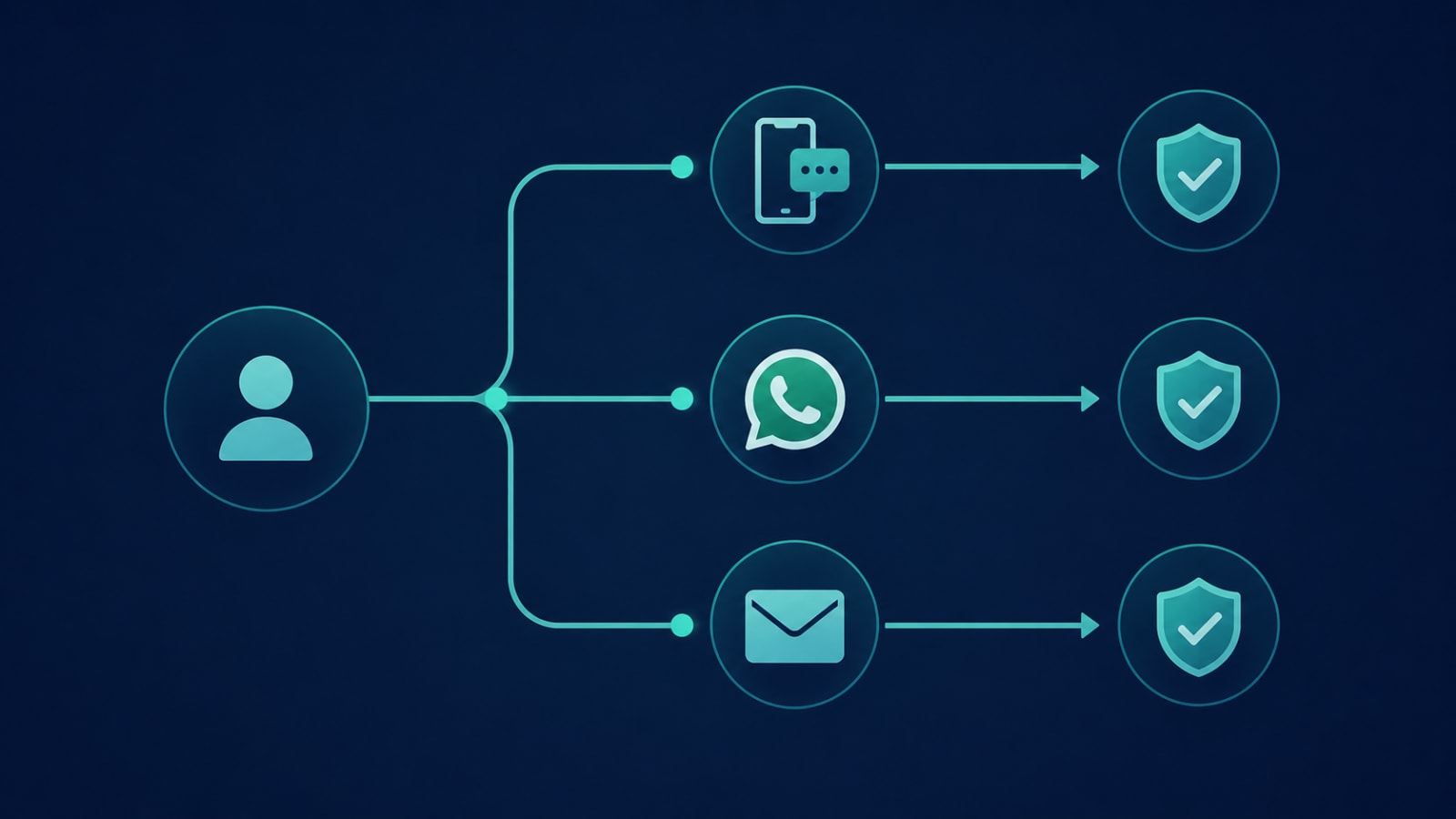
There's no single "best" verification provider — only the one that matches your users' region, your fraud tolerance, and your growth curve. If you're scoping authentication for a new product, or wondering whether your current OTP bill is higher than it needs to be, let's talk. Getting this decision right early is far cheaper than migrating a verification flow once real users depend on it.